


Health
Preventing Unintended Pregnancies: A Key Step in Reducing Unsafe Abortions

According to the Uganda Bureau of Statistics, an estimated 45% to 52% of pregnancies in Uganda are unintended. The country also records an estimated 54 induced abortions annually for every 1,000 women of reproductive age.
Although access to safe, voluntary abortion is legally restricted in Uganda, post-abortion care is available in health facilities. However, studies indicate that only about half of women who suffer severe complications from unsafe or clandestine abortions receive the medical care they need, as many fail to reach health facilities in time.
Health experts attribute the high prevalence of unsafe abortion primarily to unintended pregnancies, which often leave women and girls with difficult choices.
Other contributing factors include limited access to comprehensive sexuality education, inadequate knowledge of reproductive health, pregnancies resulting from abandonment by partners, maternal health complications, poverty, stigma, and limited access to modern family planning services.
Experts say reducing unintended pregnancies through comprehensive sexuality education, increased access to contraception, community awareness, and stronger support systems for women and girls could significantly reduce unsafe abortions and save lives.
They are calling on government agencies, healthcare providers, religious and cultural leaders, civil society organizations, parents, and communities to collaborate in promoting reproductive health education and ensuring women have access to quality maternal and family planning services.
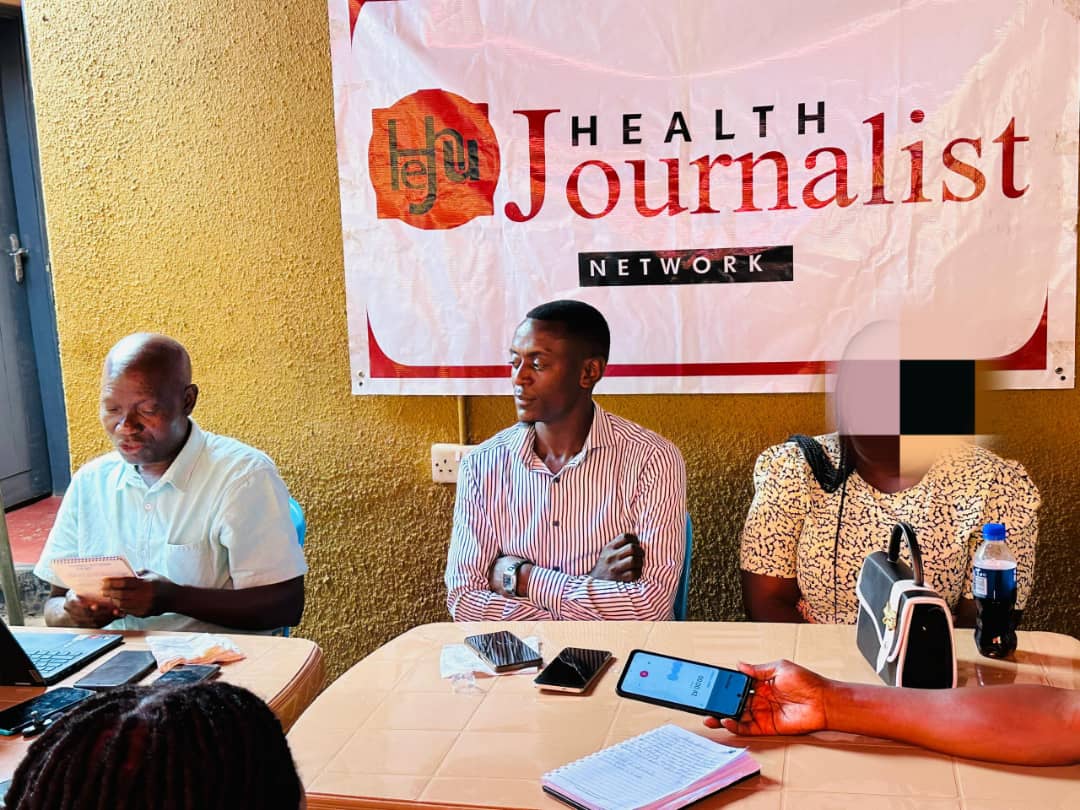
During a Science Café for health journalists held at the Health Journalists Network Uganda offices in Kamwokya, a Senior Obstetrician and Gynaecologist Dr. Peter Ssebadduka emphasized that preventing unsafe abortions requires a collective effort from all stakeholders, including parents and guardians, policymakers, health practitioners, gynaecologists, and survivors, each of whom has a critical role to play in safeguarding the lives of women and girls.
According to Dr. Peter, the role of healthcare providers is not to encourage abortion but to provide women and girls with accurate information and counselling when they experience unintended pregnancies so they can make informed decisions about their reproductive health since accurate reproductive health information helps them make informed decisions and reduces the likelihood of resorting to unsafe abortion.
He said healthcare workers also play a preventive role by educating women and girls on the use of modern family planning methods, condoms, and emergency contraception to reduce unintended pregnancies, which are a major driver of unsafe abortions.
He noted that empowering women with comprehensive reproductive health information enables them to make informed choices, seek timely medical advice, and reduce the risk of complications associated with unsafe abortion.
Dr. Peter further explained that healthcare workers also encourage women who become pregnant to seek timely medical advice so they can receive appropriate counselling and understand the options and care available to them, enabling them to make informed decisions about their reproductive health.
He also stressed the important role of parents and guardians in providing age-appropriate sexuality education to their children. According to Dr. Peter, early and open discussions about sexual and reproductive health can help adolescents understand the risks associated with unsafe sexual practices and unintended pregnancies.
He noted that young people are particularly vulnerable to peer pressure, but equipping them with accurate information and life skills at an early age can help them make responsible decisions and avoid behaviours that put their health and future at risk.
From the civil society perspective, Joseph Mwebaze, the communications Officer at the Centre for Women’s Justice Uganda, described unsafe abortion as a major contributor to maternal mortality in Uganda, saying it remains a public health crisis that disproportionately affects women and girls who seek services from unskilled providers.
Mwebaze said the issue should be addressed primarily as a public health concern rather than solely as a moral or religious debate. He argued that prioritizing women’s health and access to accurate reproductive health information would help prevent avoidable deaths and injuries and reduce the number of Ugandan families losing mothers and daughters to complications arising from unsafe abortion.
He also expressed concern that the country’s legal framework leaves many healthcare providers uncertain about the circumstances under which abortion-related services can be provided. According to Mwebaze, this fear of legal consequences may discourage some health workers from offering appropriate care or counselling to women seeking help.
He called for increased public awareness about the availability of free post-abortion care services at public health facilities, noting that such services are legally available and can save lives when accessed promptly
.
Mwebaze further challenged journalists to report on reproductive health issues, including abortion, with accuracy, fairness, and balance. He urged media practitioners to separate their personal beliefs from their professional responsibilities, emphasizing that objective and evidence-based reporting can help the public better understand the health, legal, and social dimensions of reproductive health while promoting informed public dialogue.
A Survivor’s Story
Gabriella Kokumbya, 25, shared her experience of facing an unintended pregnancy while pursuing her Nursing course. She recalled that when she informed her boyfriend about the pregnancy, he cut off all communication and blocked her, leaving her to face the situation alone.
Kokumbya said her tuition was being paid by her brother, and she feared telling him about the pregnancy because she worried it would affect her education and their relationship. Feeling overwhelmed and with few people to turn to, she sought help from a midwife.
According to Kokumbya, the midwife initially declined to assist her and instead encouraged her to disclose the pregnancy to her brother and seek support. However, after she repeatedly pleaded for help, the midwife agreed to perform the procedure at her home.
She said the recovery process lasted about three days, although the bleeding continued for some time afterward. Fortunately, she did not develop any serious complications. She completed her studies and eventually graduated, adding that only she and the midwife know about what happened.
The Science Café marked the final session in a series of three dialogues conducted under the CATALYSTS Consortium project. The sessions were designed to equip health journalists with the knowledge and skills to report on abortion and other reproductive health issues accurately, ethically, and sensitively.
Through the initiative, the Health Journalists Network Uganda (HEJNU) aims to strengthen evidence-based reporting, reduce stigma surrounding reproductive health, promote informed public dialogue, and contribute to policy discussions that improve access to quality reproductive healthcare in Uganda.