


Health
Awareness and Access Issues Fuel Unsafe Abortion Practices

This raises an important question: why do women avoid health centres where trained health workers are available to provide safe care?
One major reason is the legal environment. In Uganda, abortion is largely restricted under the Penal Code Act Cap 120. However, Section 224 provides an important exception, it states that a person is not criminally responsible if a surgical operation is carried out in good faith and with reasonable care to preserve the life of the mother.
Additionally, Chapter Four of the Bill of Rights, Article 22(2), protects the right to life of an unborn child, except as may be authorized by law.
Despite these provisions, many women are unaware of the legal exceptions. What most understand is that abortion is illegal and punishable.
This lack of awareness drives them to seek services from unskilled providers, often in unsafe conditions, leading to severe and sometimes life-threatening complications. In reality, abortion can be legally performed under specific circumstances, such as when it is necessary to save the mother’s life.
Globally, unsafe abortion remains a major public health concern each year. Nearly 50% of all abortions worldwide are unsafe, with hundreds of thousands of women resorting to unsafe procedures, often due to legal restrictions and limited access to safe services.
It is estimated that about 247,000 women die annually as a result of unsafe abortion, with young women and teenagers among the most affected groups.
According to recent estimates by the World Health Organization, about 3 in 10 pregnancies end in abortion, and 45% of these are unsafe. Alarmingly, 97% of unsafe abortions occur in developing countries, including Uganda.
These figures highlight the urgent need for increased public awareness, clearer communication about the law, and improved access to safe reproductive health services. Addressing misinformation and reducing stigma could play a critical role in saving lives and preventing avoidable complications.
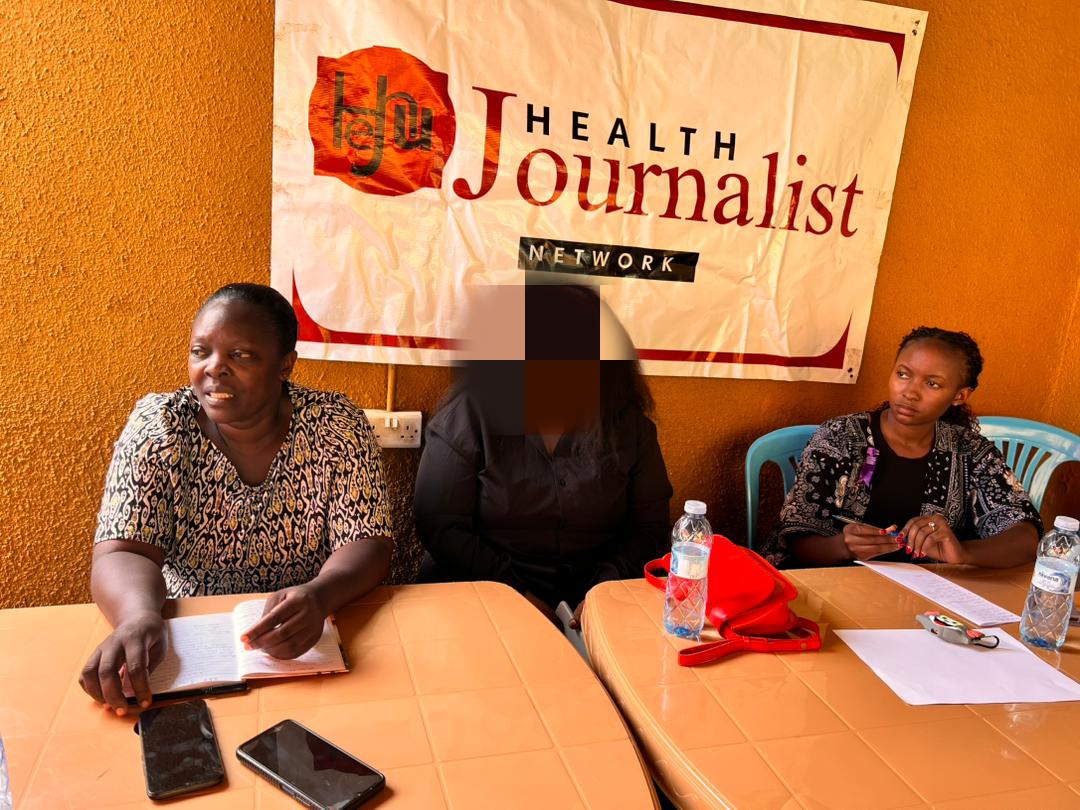
During a science café organised by the Health Journalists Network in Uganda at their offices in Kamwokya, a senior midwife at Mulago Specialized Women and Neonatal Hospital, Regina Nakkubulwa, noted that many women only seek care at health centres after complications arise from unsafe abortions.
In many cases, they arrive when it is already too late for health workers to reverse the damage.
She attributed this trend to limited knowledge about access to safe abortion services and broader sexual and reproductive health and rights (SRHR) information, which is necessary for making informed decisions about their bodies.
Nakkubulwa also appealed to parents to provide age-appropriate sexuality education to children from an early stage. She emphasized that early education would help young people grow up with accurate information, enabling them to make informed choices and avoid harmful practices that can endanger their health.
Similarly, a legal officer at the Women’s Probono Initiative Tracy Nabbaale noted that there is a widespread misconception about abortion, with many people believing it is completely illegal, yet unaware that it can be permitted under specific circumstances.
She urged journalists to use their platform to hold government accountable and advocate for the dissemination of accurate information to women and girls regarding the conditions under which safe abortion services can be accessed at health centres.
This, she said, would enable women to seek safe care and ultimately reduce deaths resulting from unsafe abortion practices.
She also called on government to implement mass sensitisation programmes aimed at raising awareness among key stakeholders, including journalists, medical workers, judicial officers, and communities. These programmes, she emphasized, should focus on sexual and reproductive health and rights (SRHR) and the relevant legal frameworks.
“A narrow escape”: A Survivor of Unsafe Abortion Speaks:
Nakate Rita, (not real names) a survivor of unsafe abortion, narrated the ordeal she went through after experiencing prolonged bleeding for nearly seven months following an unsafe abortion procedure at a clinic.
Rita explained that she grew up with a single father and, at the age of 15, had no access to sexuality education due to her father’s busy schedule. She said she became pregnant but was too afraid to inform her father. Instead, she confided in a friend, who took her to a clinic where she underwent a procedure to terminate the pregnancy.
At first, she believed the procedure had been successful. However, she soon began experiencing continuous bleeding that lasted for over seven months. Each time she returned to the clinic, the health worker gave different explanations until he eventually became unresponsive and began avoiding her.
Rita described the experience as extremely painful, noting that her condition worsened until another health worker eventually assisted her and provided treatment, after which the bleeding gradually stopped….
She called on government to increase funding for public health facilities and establish more accessible, free clinics offering one-on-one counselling services to support young people in accessing sexual and reproductive health and rights (SRHR) information and services.
She also urged parents to be more open with their children and create a supportive environment where they can discuss sensitive issues. She emphasized the importance of comprehensive sexuality education so that young people can understand the consequences of early sexual activity and make informed decisions.