


Health
Calls Grow for Clearer Abortion Laws as Unsafe Abortions Continue to Claim Lives

The lack of clear provisions regarding abortion in Uganda’s legal framework has contributed to a rise in cases of lifelong health complications and deaths resulting from unsafe abortions.
Many women and girls are unaware of the circumstances under which safe abortion services may legally be accessed in health facilities. As a result, some seek abortion services from unskilled providers or in unsafe environments, exposing themselves to serious health risks, including infections, infertility, and even death.
Article 22(2) of the Constitution of Uganda, which protects the right to life, states that no person has the right to terminate the life of an unborn child except as may be authorized by law. However, provisions under the Penal Code allow abortion in certain circumstances, particularly when it is necessary to save the life or protect the health of the mother.
Other situations that may require legal and medical consideration include pregnancies resulting from rape, incest, defilement, or cases involving severe fetal abnormalities, provided that appropriate medical care and professional judgment are applied.
Health advocates argue that the public’s limited understanding of these legal provisions contributes to the continued practice of unsafe abortions. In many cases, the procedures are carried out in unhygienic conditions by unqualified individuals, increasing the risk of infections and other severe complications.
Stakeholders are therefore calling upon the government to provide clearer legal guidance and increase public awareness about reproductive health services. They believe that greater clarity on abortion laws would help reduce unsafe practices, protect women’s health, and save lives.
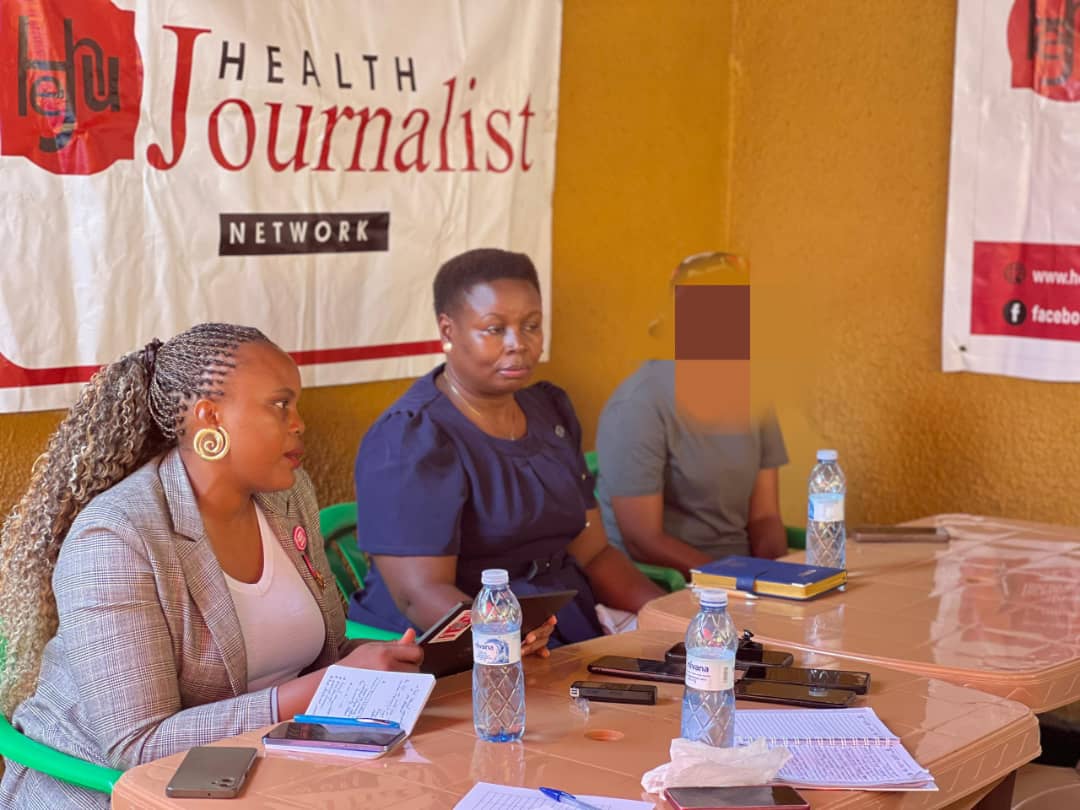
Speaking during a Science Café for health journalists at the Health Journalists Network offices in Kamwokya, Sr. Joyce Najjemba, a Nursing Officer in Midwifery at Mulago Specialized Hospital, revealed that health facilities receive approximately 40 women and girls every month seeking post-abortion care after experiencing complications arising from unsafe abortions, miscarriages, and other related reproductive health conditions.
She explained that unsafe abortions can result in severe health complications, including excessive bleeding, infections, damage to the uterus, infertility, and, in some cases, death. According to her, these complications often occur when abortion procedures are carried out by unskilled providers or in unsafe and unhygienic environments.
Sr. Najjemba noted that women aged between 15 and 49 years are in their reproductive years and therefore have a higher likelihood of becoming pregnant. She added that this age group is also the most affected by unintended pregnancies and is consequently more vulnerable to seeking unsafe abortions.
She further emphasized the importance of providing children with comprehensive sexuality education at an early age. According to her, early sexuality education equips children with the knowledge and skills needed to protect themselves as they grow up.
It enables them to identify and report sexual abuse, recognize inappropriate touching, and effectively manage their menstrual health.
She said such knowledge can help reduce risky behaviours that may lead to unintended pregnancies and unsafe abortion practices later in life.
Sr. Najjemba also explained that when girls and women seek abortion services despite being healthy and capable of carrying a pregnancy to term, health workers first provide counselling to help them understand the available options. Through these counselling sessions, they are encouraged to continue with the pregnancy, access antenatal care services, and receive the necessary support to deliver healthy babies.
Legal Affairs, VISTA Foundation Uganda, Advocate/Lawyer Editah Kamagara, expressed concern that although the government has developed Ministry of Health self-care guidelines, these guidelines are not backed by a specific law. As a result, she argues that they lack sufficient legal authority and clarity, particularly regarding access to safe abortion services.
Kamagara stressed that increasing public awareness and understanding of the legal provisions governing safe abortion services would help reduce the number of women resorting to unsafe abortion practices. She noted that many people are unaware of the circumstances under which they can legally access safe abortion services and where such services can be obtained.
According to her, a clearer and more comprehensive legal framework would encourage those who qualify for safe abortion services to seek care from recognized health facilities without fear or secrecy. This, she said, would contribute to reducing the rising cases of lifelong health complications associated with unsafe abortions.
She further explained that many survivors of unsafe abortions seek post-abortion care only after their conditions have significantly deteriorated. By the time they reach health facilities, some are already suffering from severe complications, making it difficult for health workers to provide effective treatment and save lives.
Kamagara therefore called upon the government to clarify and strengthen laws and policies related to safe abortion services, arguing that greater legal clarity would improve access to information, enhance healthcare-seeking behavior, and help address a critical gap in the country’s healthcare system.
Vivian Kamara, an unsafe abortion survivor, shared her experience, which she says continues to affect her physically and emotionally years later.
Kamara recalled that at the age of 15, she discovered that she was five months pregnant with twins. After informing her boyfriend about the pregnancy and expressing her desire to terminate it, he reportedly declined to support her decision but continued to promise financial assistance for an abortion. Frustrated and feeling unsupported, she eventually decided to seek an abortion on her own.
“I went to a clinic where a health provider gave me medicine and told me that the babies would come out once I returned home,” she said.
According to Kamara, shortly after taking the medication, she experienced severe bleeding.
“When I got home, I started bleeding heavily. I lost a large amount of blood and saw one of the babies come out. The bleeding continued, and I became terrified. I thought I was going to die, so I started shouting for help,” she recalled.
Her cries attracted the attention of a neighbour, who came to assist her. Kamara said she then confessed that she had attempted to terminate the pregnancy.
The neighbour helped take her back to the health provider, who assisted in removing the second fetus. Kamara said she was later given the bodies of the twins, leaving her confused and distressed because she had no idea what to do with them.
“Nobody knew that I was pregnant or that I had undergone an abortion because I had kept everything a secret,” she said.
Reflecting on her experience, Kamara believes that a lack of sexuality education contributed to the situation.
“I did not have enough knowledge about sexuality education or how to prevent pregnancy. I am a full orphan, and I often think that if my parents were still alive, they might have guided me and helped me understand these issues better,” she explained.
Now a mother of two children, Kamara says she still experiences pain in her womb and fears it could be linked to complications resulting from the unsafe abortion she underwent as a teenager.
She urged young girls to make informed decisions and seek accurate reproductive health information.
“I encourage girls to be patient, avoid risky sexual behaviour, and stay away from unsafe abortions because they can easily lose their lives or suffer lifelong health complications,” she said.