
Health
Global Shortage of Midwives Threatens Millions of Mothers and Newborns

LISBON, Portugal — A new peer-reviewed study has warned that the global shortage of nearly one million midwives is putting millions of women and newborns at risk, arguing that midwifery-led care is not merely a policy option but an evidence-based necessity for improving maternal and newborn health outcomes.
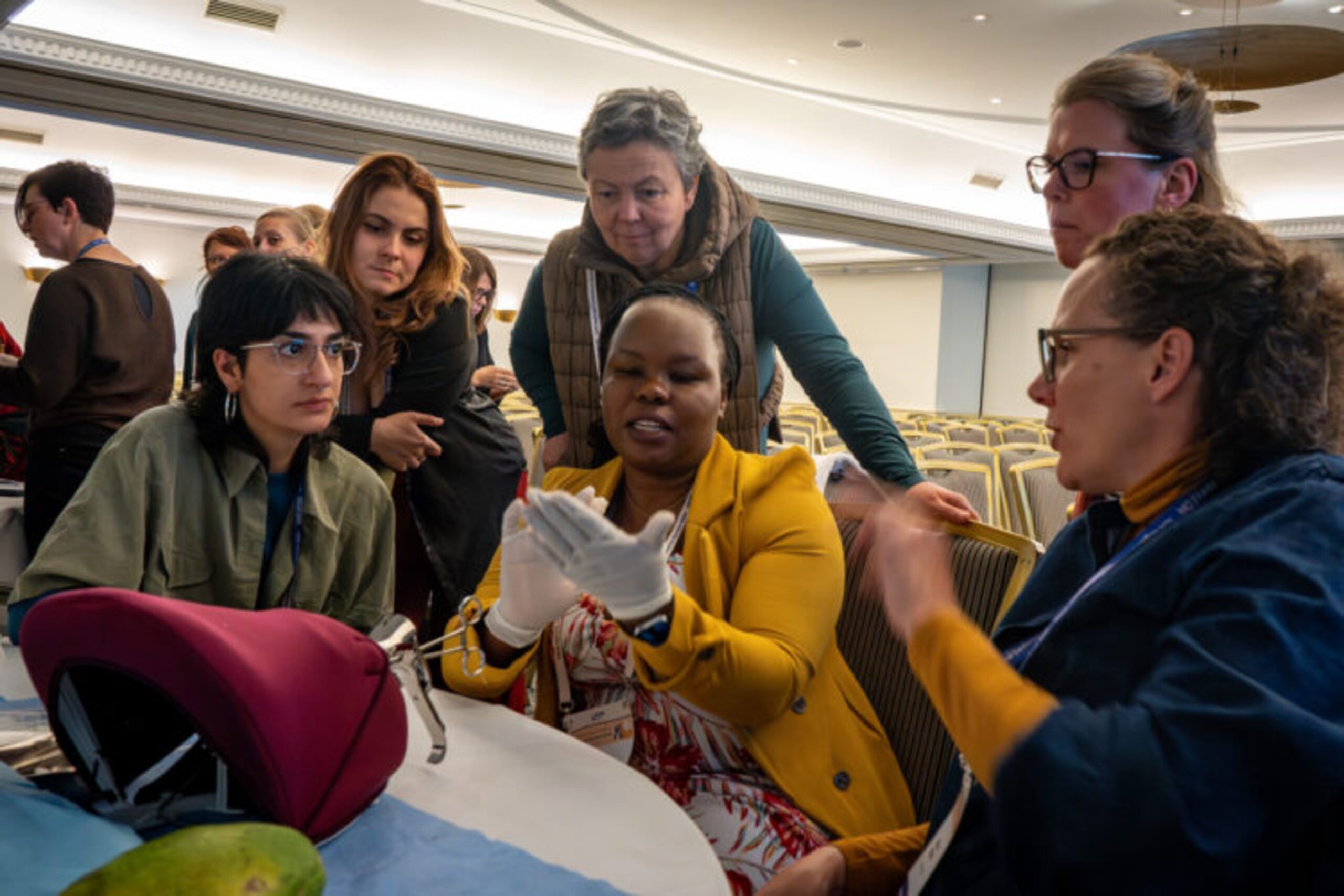
The findings come as more than 3,000 midwives, policymakers, researchers and health leaders from over 115 countries prepare to gather in Lisbon, Portugal, for the 34th Triennial Congress of the International Confederation of Midwives (ICM), scheduled for June 14–18.
According to the study, filling the global shortage of approximately 980,000 midwives across 181 countries by 2030 could save up to 4.3 million lives annually. The projected impact includes preventing 67 percent of maternal deaths, 64 percent of newborn deaths and 65 percent of stillbirths.
“This is not a future risk. It is a present reality,” said Anna af Ugglas, Chief Executive of the International Confederation of Midwives. “Nearly one million missing midwives means care becomes rushed and fragmented. This is a quality and safety issue for women and babies.”
The congress is being held under the theme, “The World Needs One Million More Midwives,” and will focus on presenting evidence and research aimed at strengthening the midwifery profession globally.
A peer-reviewed editorial published in the journal Sexual & Reproductive HealthCare states that transitioning to midwifery models of care is essential for protecting the lives of women and newborns. The editorial, authored by Justine Le Lez, Anna af Ugglas and Malin Bogren, argues that maternity care systems in many countries remain fragmented, over-medicalised and, in some cases, fail to respect the needs and preferences of women.
The authors note that midwife-led, woman-centred care improves maternal and newborn health outcomes, reduces unnecessary medical interventions and increases women’s satisfaction with healthcare services.
However, growing workforce shortages and rising demand for maternal health services continue to place significant pressure on midwives worldwide.
“In many settings, midwives are educated but not employed or enabled to practise fully, leaving women without access to the care they need,” said Professor Jacqueline Dunkley-Bent, Chief Midwife of the ICM.
The researchers are calling on governments and international institutions to take action in four key areas: maintaining sustained political commitment, establishing supportive regulatory frameworks, investing in the midwifery workforce and ensuring meaningful engagement with women and communities.
The study highlights stark regional disparities in the distribution of midwives. Africa bears 46 percent of the global shortfall, with nine out of ten women lacking access to a midwife. The Americas face a deficit of up to 85 percent of the required workforce, while approximately 69 percent of midwifery needs remain unmet in the Eastern Mediterranean region. Europe also continues to experience shortages in several countries despite relatively well-resourced health systems.
The World Health Organization (WHO) recognises midwifery models of care as critical to supporting women, newborns and families throughout pregnancy, childbirth and the postnatal period. Midwives are trained to provide up to 90 percent of essential sexual and reproductive health services in a cost-effective, sustainable and rights-based manner.
Experts say midwives are often among the first healthcare professionals to witness the effects of crises such as climate-related disasters, disease outbreaks, conflicts and funding cuts.
“Midwives work at the heart of their communities, so they often see the impact of a crisis before it reaches the wider health system,” the ICM noted. “When climate events, disease outbreaks, conflict or funding cuts disrupt health services, midwives help keep essential care available, trusted and close to home.”
Founded in 1954, the International Confederation of Midwives has spent more than seven decades advancing the profession worldwide. The Lisbon congress will feature several major launches, including a global march advocating for one million more midwives, the Lancet Series on Postpartum Haemorrhage, the Global Professional Association Consortium for Sexual, Reproductive, Maternal, Newborn and Adolescent Health, a joint UNFPA-ICM Sample Curriculum for Midwifery, and the first Global Competencies for Midwifery Leadership.
The 2026 congress is being co-hosted by APEO, the Portuguese Association of Obstetric Nurses.
The International Confederation of Midwives represents more than 135 midwives’ associations across over 115 countries and advocates for universal access to competent, equitable and rights-based midwifery care for women, newborns and adolescents worldwide.