
Entertainment
The Evolution of Pop Culture Fashion in Uganda

BY Victoria Nabukeera
Popular culture (also called pop culture or mass culture) is generally recognized by members of a society as a set of practices, beliefs, artistic expressions (sometimes contrasted with fine art), and objects that are dominant or prevalent in a society at a given point in time. Popular culture also encompasses the activities and feelings produced as a result of interaction with these dominant objects.
In modern times, popular culture is heavily influenced by mass media. This collection of ideas permeates the everyday lives of people in a given society. Therefore, popular culture has a way of influencing an individual’s attitudes towards certain topics. However, there are various ways to define pop culture. It can be defined as folk culture, working-class culture, or high culture, depending on where one comes from.
Uganda’s pop culture scene is a vibrant and evolving mix of traditional influences and contemporary trends. It encompasses music, film, fashion, social media, sports, and other forms of entertainment that shape the everyday lives of Ugandans, particularly the youth. Below is a detailed overview of the different aspects of pop culture in Uganda:
Traditional Fashion:
Gomesi (for women): A traditional dress worn by women, particularly among the Baganda. It features bright colors, puffed sleeves, and a sash around the waist, and is often worn during weddings and cultural events.
Kanzu (for men): A long white or cream tunic worn by men, especially during formal and cultural occasions. The Kanzu is particularly significant among the Baganda and Busoga communities.
Contemporary Fashion Trends:
Streetwear and Urban Fashion: The younger generation is influenced by global streetwear trends, blending African prints with modern styles. Brands like Bold in Africa, Kwesh, and Definition Africa have gained popularity for their unique designs.
Many other designers have emerged and embraced pop culture, including Aliad Zoe, Abryanz, Kyaligonza, Santa Anzo, Namanya’s Warehouse, Kaijuka Abs, and Zenson.
Afrocentric Designs:
Designers are increasingly using traditional fabrics like kitenge (African wax print) and barkcloth to create contemporary pieces. This reflects a blend of African heritage and modern aesthetics, giving a unique feel to the wearer and enhancing personal expression. Designers such as Gloria Wavamuno, Sylvia Owori, and Anita Beryl are among the most prominent in this field.
Furthermore, several artists from the past and present have embraced pop culture through paintings, photography, and the establishment of art studios. Prominent among them is Daudi Karungi, who owns the Afri Art Gallery.
In addition to the growth of pop culture, there are fashion events and awards that continuously recognize and celebrate it on an annual basis. These include the Abryanz Style and Fashion Awards (ASFAs), one of the biggest fashion events in East Africa, celebrating fashion, style, and talent across the continent, and Kampala Fashion Week, an annual event that showcases Uganda’s top designers and promotes local talent and creativity. These events have enabled the widespread growth and recognition of pop culture across Uganda.
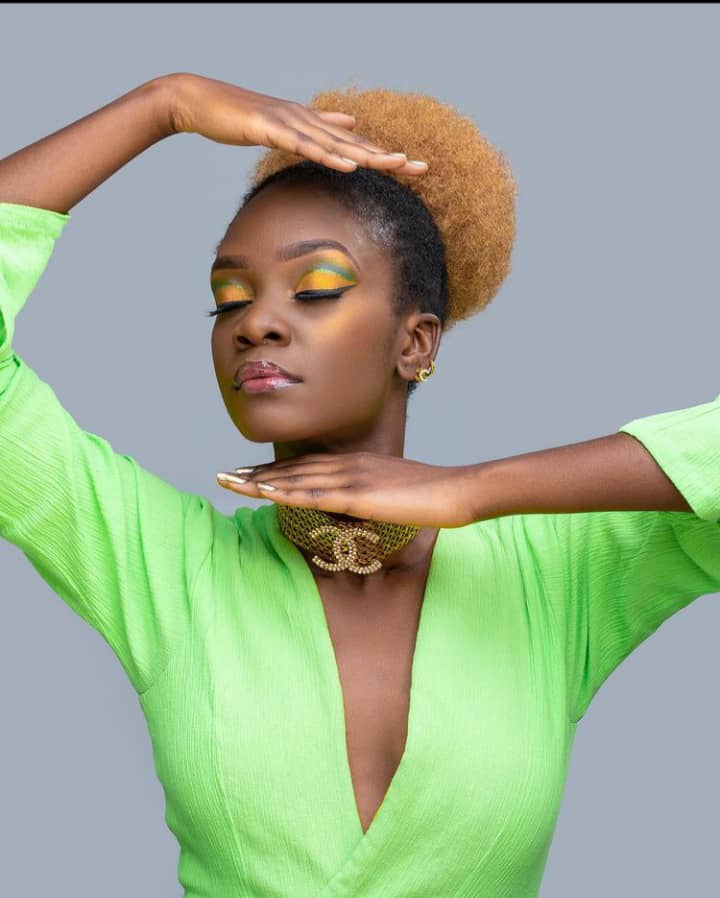
Pop culture is frequently featured in fashion shows, street style, weddings, music videos, and brunch events, worn by people with different tastes in style. The beauty of pop culture is that it combines patterns, colors, cultures, and personalities.
Fashion can never be boring since the evolution of pop culture because it brings everyone together, leaving no one out. It is an open style and a form of free expression.
Conclusion
Uganda’s pop culture is a dynamic and eclectic mix that reflects the country’s diversity, resilience, and creativity. It is a blend of the old and the new, where traditional values meet modern influences, creating a unique cultural landscape that continues to evolve.