


Gender
Strengthening Digital Safety: Vuka Her Initiative Trains Women Leaders

Online safety and protection are vital in today’s digital world, empowering individuals to navigate online spaces confidently, securely, and without fear of harm or exploitation.
Today, cases of online harassment and digital rights violations are increasingly rampant, with perpetrators targeting individuals for various harmful intentions. Among the most affected are women across different sectors, many of whom have faced severe emotional and professional consequences after experiencing online abuse.
Victims include journalists, artists, politicians, and other public figures whose careers and personal lives have been negatively impacted by digital harassment. In many cases, the trauma resulting from such violations has led to reputational damage and disrupted career paths.
Women in politics are particularly vulnerable. Perpetrators often target them with the aim of discouraging their participation in leadership. Tactics such as leaking private images, exploiting personal or marital challenges, and resurfacing past issues are commonly used to shame and silence them.
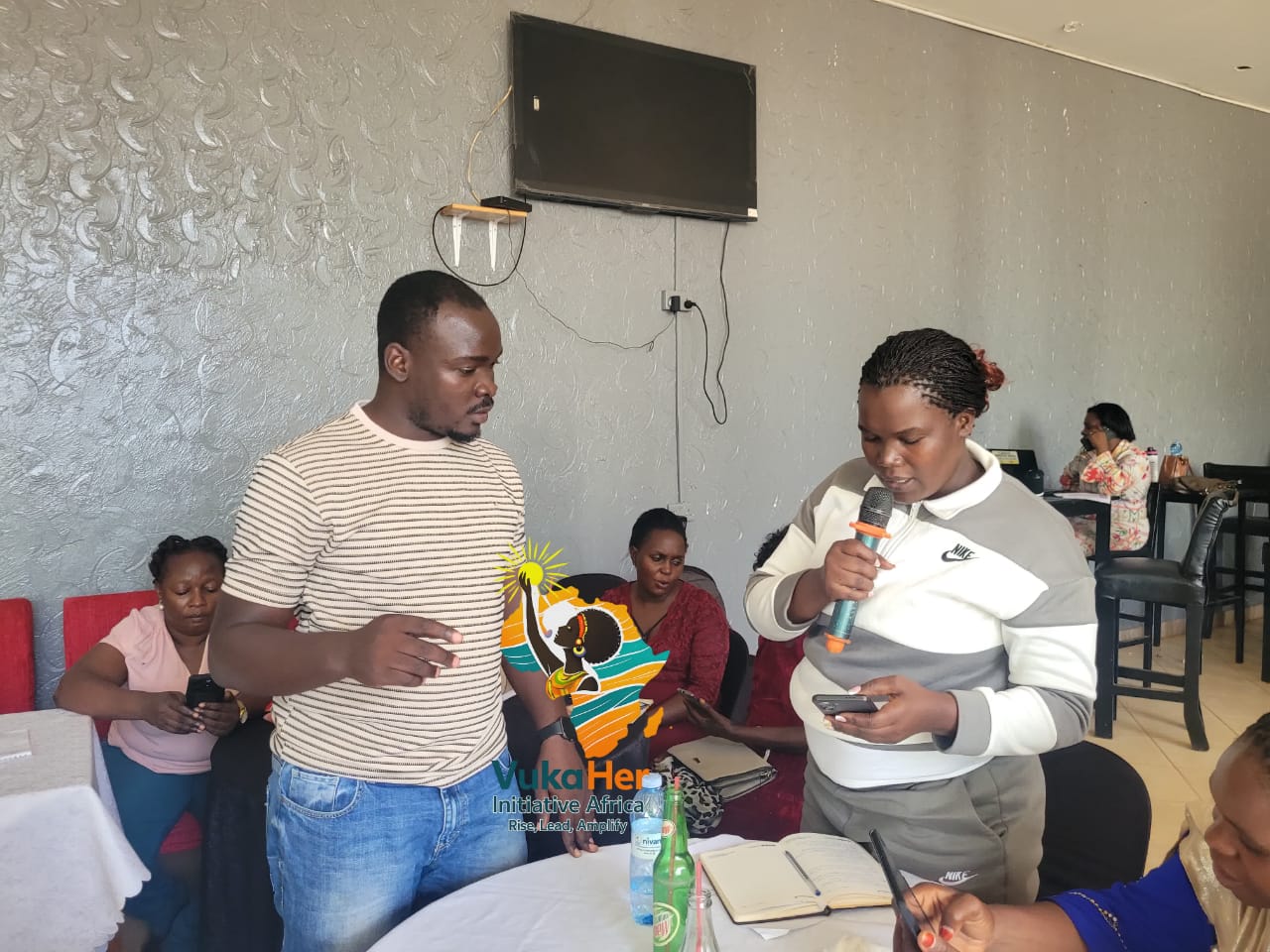
In response to these growing threats, Vuka Her Initiative has taken a proactive step by training women leaders in Kasangati town council on online safety and protection. The training focuses on equipping participants with skills to secure their digital accounts, protect their personal information, and respond effectively to online attacks.
Laila Ndagire, the founder of Vuka Her Initiative, noted that the training is aimed at equipping women leaders with practical skills to protect their data and prevent hacking, an issue that has repeatedly affected women in leadership.
She explained that participants are trained on how to secure their digital devices by adjusting privacy settings, safeguarding personal information, and verifying content before sharing it online. These measures are critical in reducing the risk of data misuse and protecting their online presence.
However, Laila pointed out that many women politicians operate multiple social media accounts, some of which are left unsecured. This creates opportunities for perpetrators to exploit these platforms, misuse personal data, and damage their reputations.
She added that such experiences have, in many cases, discouraged women from actively using digital spaces, despite them being one of the most effective and accessible modes of communication today.
According to Phillip Ayazika from Pollicy, women leaders are highly targeted online, often becoming victims of attacks not only from opponents but sometimes even from their own allies once they assume leadership positions. He emphasized the need for women leaders to prioritize their online security and privacy.
Phillip warned that weak privacy settings expose leaders to significant risks, as their personal data can easily be accessed, linked, and misused especially given the amount of public information already available about them.
He stressed that the training is designed to equip women leaders with the knowledge and skills to use digital platforms wisely, while remaining aware of potential risks. This, he noted, is essential in helping them safeguard their reputations and avoid being undermined through online attacks.
Another facilitator, Annex Kemanzi from Pollicy, sensitized the women on the dangers of circulating false information received online without verification. She noted that this practice often damages credibility, especially for women leaders, who may end up being perceived as unreliable by the public they serve.
She advised participants to always verify information before sharing it, particularly by relying on trusted and credible platforms. According to her, this helps ensure that leaders do not unintentionally spread misinformation that could cause more harm than good to their reputations and to the communities they represent.
The women leaders who participated in the training expressed appreciation to Vuka Her Initiative for equipping them with knowledge on online safety and protection, noting that they had previously made unintentional mistakes that negatively affected their reputations among voters.
Councilor for Bulamu Parish Birungi Rehema shared that before attending the training, she rarely took time to analyze information from online platforms, often assuming it was true until the facilitators clarified the importance of verification.
She also noted that she had struggled with phone storage issues, which often limited her ability to use her device effectively. After the training, she said she is now better informed about managing her phone storage and only keeping necessary information.
Another participant, Councilor for Katadde Parish Nansubuga Lukia, expressed surprise upon learning that her Google search history is stored and could potentially increase the risk of cyberattacks, as attackers may use such information to profile or target users.