


Gender
Women Cannot Lead Freely Where Sexual Violence Is Tolerated, MEMPROW

In remarks circulated by Ugandan media at the end of March 2026, Hon. Amelia Kyambadde warned incoming female legislators about sexual exploitation and manipulation within political spaces, cautioning that what may appear as mentorship, friendship, or professional support can sometimes conceal predatory intent.
Her warning speaks to a deeper truth: women’s participation in politics is shaped not only by formal access to office, but also by the informal cultures of power they are forced to navigate, where gendered vulnerability can be exploited in ways that intimidate, isolate, or compromise leadership.
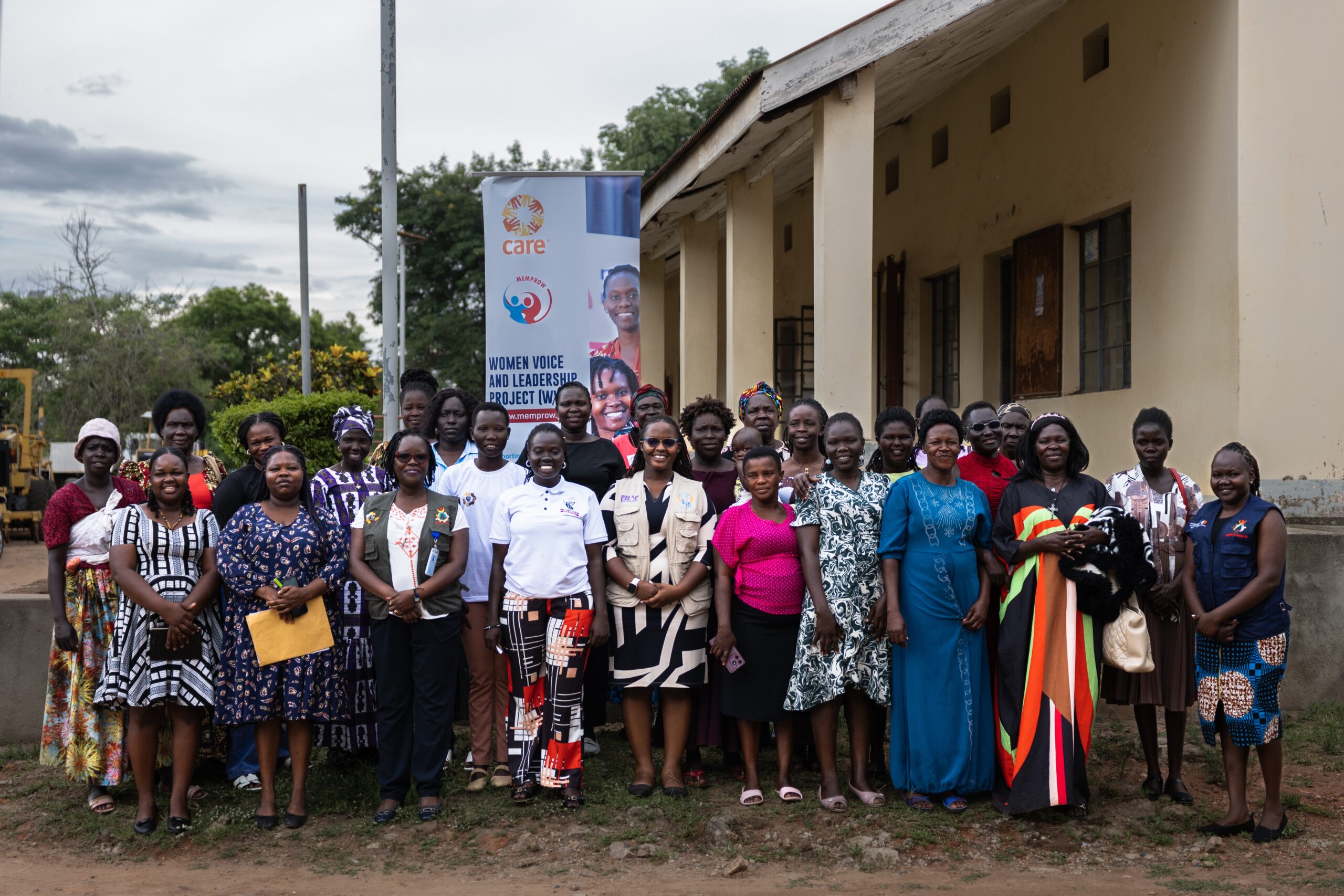
According to The Mentoring and Empowerment Programme for Young Women, MEMPROW, this issue is not peripheral to women’s leadership. It is central to it. Women cannot lead fully where access to power is shadowed by coercion or sexual pressure.
A democratic space ceases to be truly democratic when women must constantly assess whether an invitation, a political alliance, or an offer of guidance is genuine or predatory.
The Communications Officer at MEMPROW Sharon Ocola notes that what makes Hon. Amelia Kyambadde’s intervention particularly important is that it echoes a longer public truth she has spoken before. She has previously spoken about childhood sexual harassment and condemned workplace sexual coercion, rejecting the idea that a woman’s body should ever be treated as the price of access or opportunity. That matters because it exposes a continuum that society often tries to separate: the violation of girls, the silencing of young women, and the manipulation of women leaders are deeply connected.
She adds that this is why feminist voices remain indispensable in public life. Feminist analysis has long insisted that sexual violence is not only a private harm; it is a structural issue that shapes who speaks, who withdraws, who survives and who advances.
When girls are taught to endure abuse quietly, when young women are pressured to exchange silence for opportunity, and when female leaders are expected to navigate predatory environments as though this is normal, the result is not merely personal suffering. It is democratic distortion.
It should be noted that Uganda’s women’s movement has already pointed toward a stronger path. Calls for gender parity, reduced campaign barriers, and action against violence toward women in politics are not symbolic demands. They are practical democratic reforms. They recognise that representation cannot be meaningful where intimidation, exclusion and abuse remain embedded in political culture.
She therefore reaffirmed MEMPROW’s commitment to standing clearly and unapologetically for women. “We stand for women’s leadership that is not performative but protected. We stand for institutions where mentorship is not a trap, ambition is not sexualized, and boundaries are respected.
We stand for political spaces where women are judged by their competence, integrity, and vision, not by their willingness to endure humiliation in silence,” Sharon reaffirmed.
MEMPROW also stands for the girls and young women watching public life closely.
They are learning from what the nation permits. If politics appears to reward silence around abuse and punish resistance, many capable young women will conclude that leadership is too costly. But if the country draws a clear line – if it says that women can lead, report abuse, speak out and still be respected – then a different future becomes possible.
MEMPROW believes that Women’s leadership is not a favour. It is not a symbolic concession. It is a democratic right. And any political culture that tolerates sexual violence, coercion or exploitation is not only failing women. It is failing the nation.
“Uganda does not need women in leadership merely to test how much they can endure. Uganda needs women in leadership who are safe enough to be bold, free enough to be principled, and respected enough to serve on their own terms. That is the standard. That is the demand. That is what MEMPROW stands for.” Sharon emphasises