


Business
UWA Seeks UGX10 Billion for Helicopter as MPs Question Maintenance Costs

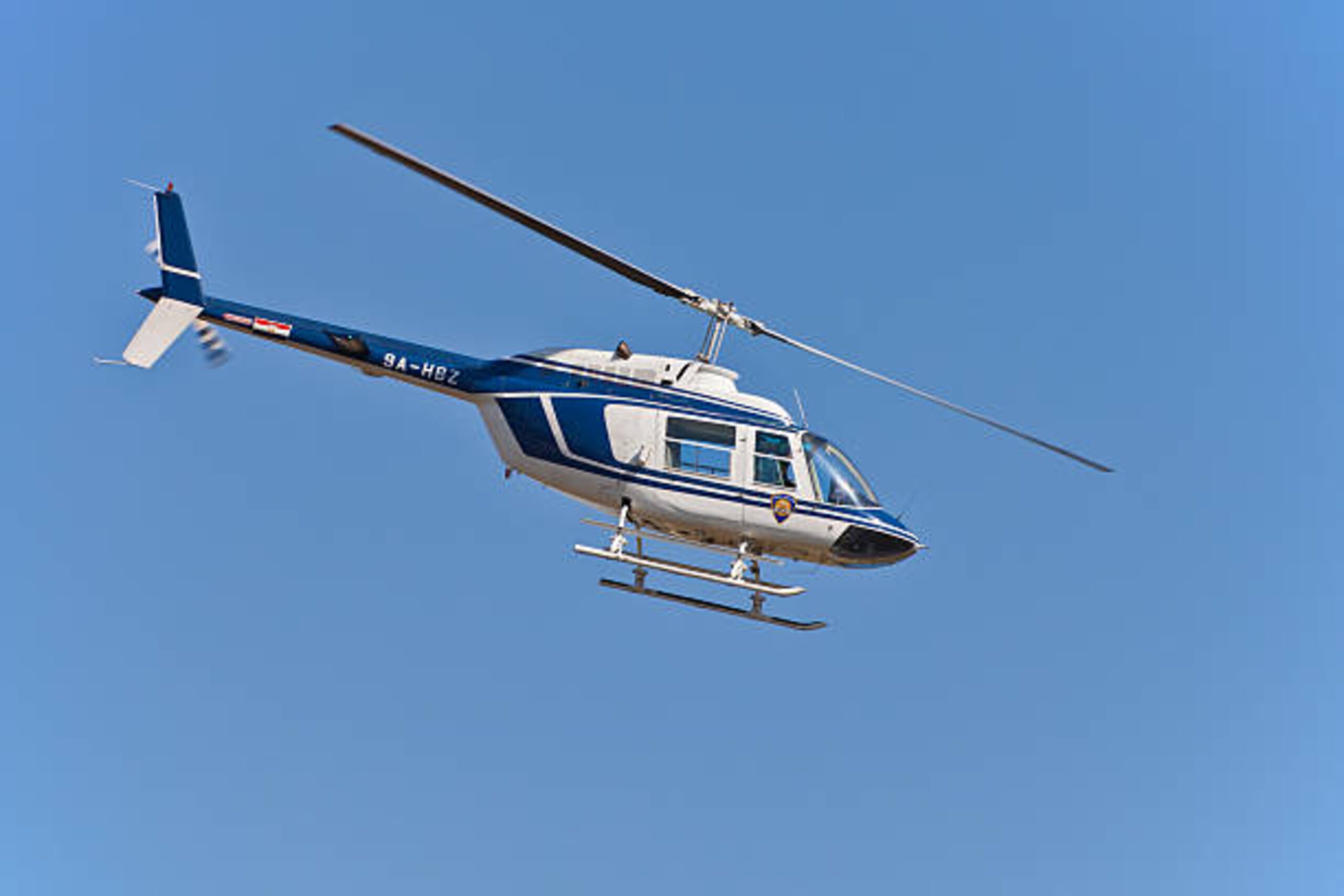
The Uganda Wildlife Authority (UWA) is seeking UGX10 billion to procure a helicopter for monitoring national parks, rescuing wildlife, and facilitating the rapid deployment of veterinary teams to treat injured animals.
The proposed allocation drew scrutiny from Members of Parliament during the consideration of the Tourism sector’s 2026/27 National Budget Framework Paper (NBFP), with legislators questioning whether the amount includes maintenance costs for the aircraft.
Appearing before Parliament’s Committee on Tourism on 27 January 2026, Dorcus Rukundo Twesigomwe, UWA’s Business Development Manager, clarified that the UGX10 billion allocation is solely for the purchase of a brand-new helicopter and does not cover maintenance.
“The members were asking whether this UGX10 billion includes maintenance. It does not. We are hoping to procure a new helicopter, and maintenance will come later,” Rukundo told the Committee.
She explained that the helicopter would be used for wildlife rescue operations, anti-poaching surveillance, ecological monitoring, and annual wildlife censuses, noting that the vast size of protected areas makes some operations difficult to conduct by land.
“Sometimes animals are attacked or injured by poachers and need urgent intervention. The helicopter allows us to transport veterinary doctors quickly to administer treatment,” she said, adding that aerial monitoring is also necessary to track invasive species and conduct wildlife counts.
Rukundo was responding to questions raised by Sylvia Nayebare, the Gomba District Woman MP and Chairperson of the Committee, and David Kalwanga, the Busujju County MP, who sought a detailed breakdown of the cost and justification for the proposed purchase.
The discussion followed UWA’s presentation on how its proposed UGX240 billion budget would be spent in the 2026/27 financial year. According to the Authority, UGX92 billion is earmarked for salaries, social security, medical care, and burial expenses, while UGX42 billion is allocated for rent, utilities, insurance, fuel, and ICT services.
However, the most contentious issues before the Committee were UWA’s proposal to spend UGX30 billion on the construction of electric fences at Murchison Falls and Queen Elizabeth National Parks, and UGX10 billion for compensation of human–wildlife conflict victims. Several MPs described the compensation allocation as inadequate, given the scale of the problem.
Charles Okello, the MP for Nwoya East, commended UWA for constructing a 10-kilometre electric fence along Murchison Falls National Park but urged the Authority to extend the project to cover the remaining high-risk areas.
“The 10 kilometres of electric fence constructed in my constituency have brought relief to the surrounding communities. However, about 31 kilometres remain in very vulnerable hotspots,” Okello said. “Since our last meeting, eight people have been killed by marauding elephants.”
He argued that prioritising fencing would ultimately reduce compensation costs, suggesting that funds earmarked for compensation could instead be redirected to completing the fence.
Rukundo assured the Committee that fencing of identified hotspots would continue across protected areas, expressing confidence that reduced human–wildlife conflict would lower compensation claims and make the proposed budget sufficient for the next financial year.
Meanwhile, proceedings were briefly disrupted when Committee Chairperson Sylvia Nayebare asked technical officials from the Ministry of Tourism, Wildlife and Antiquities to step out after Boniface Okot, the Youth MP for Northern Region, identified 11 discrepancies in the budget figures submitted by the Ministry.