


Health
Unsafe Abortions Remain a Major Threat to Women’s Lives

As cases of health-related complications arising from unsafe abortions continue to increase, the government has been urged to amend the law, particularly the provisions that impose punishment on women who terminate their own pregnancies.
According to Section 142 of the Penal Code Act (Cap. 120), a pregnant woman who attempts to procure her own miscarriage is liable to a sentence of up to seven years’ imprisonment. It is estimated that approximately 300,000 abortions occur in Uganda each year, resulting in tens of thousands of women requiring medical treatment for complications.
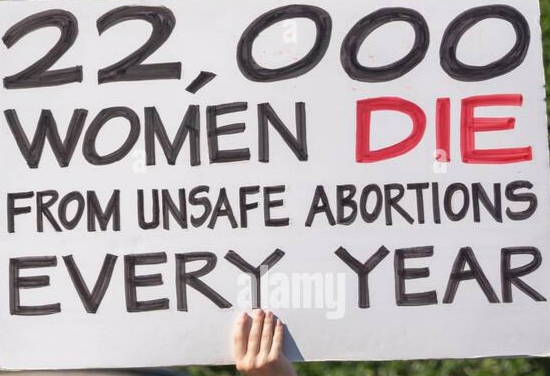
Tragically, hundreds of women die annually due to unsafe abortions, which remain a major contributor to maternal mortality. Current estimates indicate rates as high as 54 unsafe abortions per 1,000 women of reproductive age each year, placing a significant burden on the country’s health system and resources.
Many cases of complications and deaths resulting from unsafe abortions go unreported, as women fear the consequences of speaking openly about the issue. Concerns about stigma, discrimination, and possible legal punishment discourage them from seeking timely medical care or reporting their experiences.
One of the major causes of death among women resulting from unsafe abortions is the trust placed in traditional birth attendants who lack the professional skills required to safely manage abortion procedures. As a result, women’s lives are put at extremely high risk.
In many cases, when complications arise during an abortion, these traditional birth attendants are unable to recognize early danger signs. They often only realize the severity of the situation when it reaches a critical stage, particularly in cases of heavy bleeding. At that point, the woman is referred to a hospital, often too late to save her life.
One abortion survivor, Lydia Namujju (not her real name), shared the challenges she faced when she attempted to undergo an unsafe abortion. She explained that after having five children with her husband, she unintentionally conceived again despite using a family planning method.
This pregnancy caused conflict with her husband, who did not want a sixth child. As a result, Lydia sought help from several health centers, but she was not assisted. With no alternative, she resorted to using herbal remedies obtained from a friend to terminate the pregnancy.
She described the severe ordeal she went through after experiencing excessive bleeding that nearly claimed her life. Ironically, one of the health centers she had previously visited in search of safe abortion services—but had been turned away from—was the same facility she was later rushed to for emergency treatment to save her life from complications caused by the unsafe abortion.
Lydia shared that she survived because she was taken to the hospital in time, although she spent a significant amount of money on treatment. She noted that many other women are not as fortunate and die due to complications resulting from unsafe abortions.
She explained that the health workers who could have advised her on how to access safe abortion services when she first sought help instead only guided her on how to care for herself during the recovery period and advised her on when and how to access family planning services after receiving post-abortion treatment.
Because she did not receive support to access safe abortion services when she needed them most, Lydia now appeals to the government to amend the laws that impose punishment for abortion and to pardon women with unintended pregnancies, allowing them the space to make safe decisions without fear of punishment.