


News
UNEB Releases 2025 PLE Results as Candidate Numbers Hit Record High

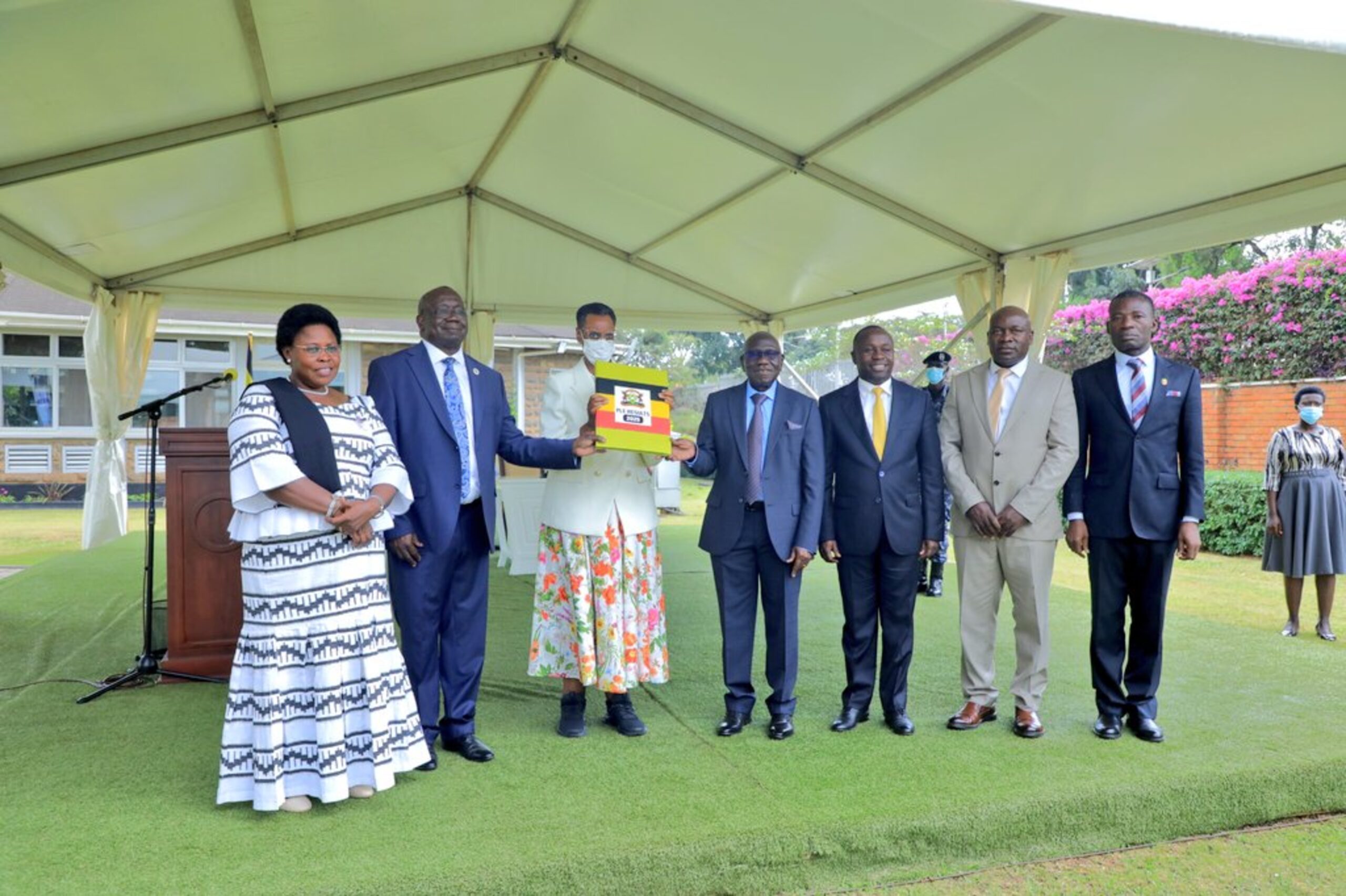
The Uganda National Examinations Board (UNEB) has released the results of the 2025 Primary Leaving Examination (PLE), which was conducted on 3 and 4 November 2025 under the theme, “Embracing security and holistic assessment of learners in a dynamic environment.”
According to UNEB Executive Director Dan N. Odongo, a total of 817,883 candidates from 15,388 examination centres registered for the 2025 PLE, up from 797,444 candidates in 2024.
Of the registered candidates, 522,036 (63.8%) from 11,525 centres were beneficiaries of Universal Primary Education (UPE), while 295,847 (36.2%) from 3,863 centres were non-UPE candidates.
Gender analysis shows that 389,469 (47.6%) of the candidates were boys, compared to 428,324 (52.4%) girls, continuing the recent trend of more girls completing the primary education cycle. In 2024, girls constituted 52.5% of candidates while boys made up 47.5%.
UNEB also registered 3,636 candidates with special educational needs (SNE), up from 3,328 in 2024, representing an increase of 308 candidates (9.3%). These included learners who are blind, deaf, physically impaired and dyslexic. The Board attributed the rise to increased awareness and inclusion efforts by schools and the Ministry of Education and Sports. Of the SNE candidates, 51.7% were male and 48.3% female.
In addition, 61 candidates were registered from Uganda Government Upper Prison, Luzira, and 40 from Mbarara Main Prison.
Performance analysis indicates that fewer than 20% of candidates demonstrated high ability levels in any subject. English had the highest proportion of high performers at 18.5%, followed by Mathematics (16.4%) and Social Studies with Religious Education (SST) at 15.9%.
About two-thirds of candidates showed medium ability across all four subjects, while roughly 16% fell in the lower ability category in each subject.
Overall, candidates performed best in English, followed by Integrated Science and Mathematics, while SST was the poorest performing subject. Compared to 2024, performance improved in English but declined significantly in SST.
Odongo reported that more candidates achieved Division One in 2025 than in 2024, with an increase of 7,689 top grades. Overall passes also rose, with 7,503 more candidates passing than the previous year.
At Luzira Upper Prison Primary School, 58 of the 61 registered candidates sat the exams. Four obtained Division One, 27 Division Two, 13 Division Three, 5 Division Four, and 9 were ungraded, while three were absent.
At Mbarara Main Prison Inmates Primary School, 39 of the 40 registered candidates sat. Seven obtained Division One, 15 Division Two, 10 Division Three, 5 Division Four, and 2 were ungraded.
On examination security, Odongo said UNEB successfully delivered question papers to all centres, crediting collaboration with local governments, district education officials and the police. However, he warned of increasingly brazen malpractice, with some school administrators allegedly bribing or threatening invigilators to allow teachers to assist candidates during exams.
“It is sad that some would-be partners in district education offices are becoming complicit in malpractice and other unprofessional acts,” Odongo said, adding that affected results will be withheld pending investigations in line with the UNEB Act. Candidates implicated will receive a fair hearing before final decisions are made.
Most withheld cases this year are from districts including Kisoro, Kampala, Mukono, Namutumba, Kassanda, Buyende and Kaliro.
Results for each centre will be available on the UNEB Centre Portal. Hard copies can be collected by district and city inspectors of schools from UNEB offices in Ntinda starting 2 February 2026.
Candidates and parents can also access results via SMS on MTN and Airtel by sending:
PLE [space] Full Index Number to 6600.
UNEB has urged heads of examination centres to review result lists and submit any corrections, such as name spellings or dates of birth, within two weeks of the official release.