


Environment
UN Report: Developing Nations Face $310 Billion a Year Climate Adaptation Gap

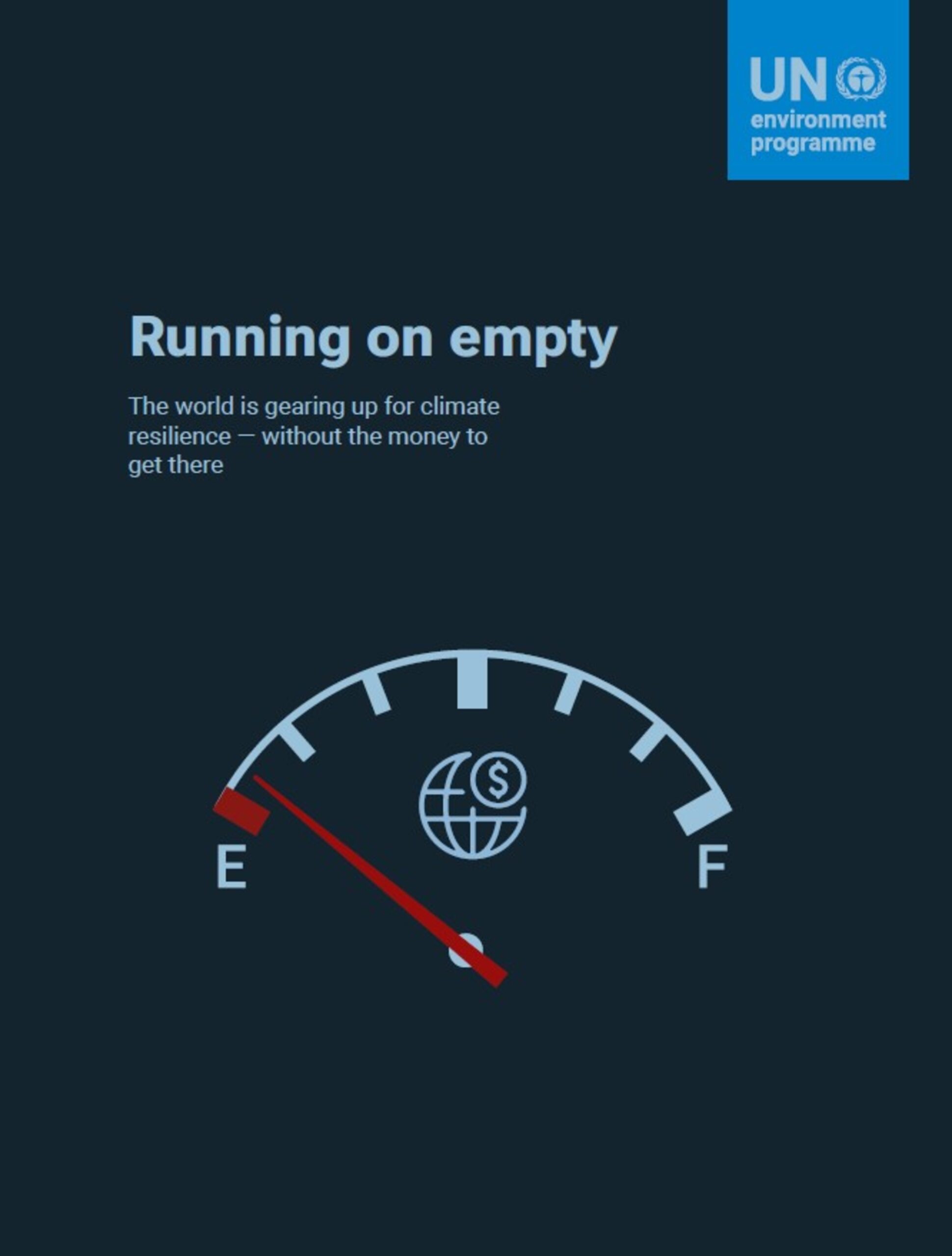
Amid rising global temperatures and intensifying climate impacts, a widening gap in adaptation finance for developing countries is putting lives, livelihoods, and entire economies at risk, according to the Adaptation Gap Report 2025: Running on Empty from the United Nations Environment Programme (UNEP).
Released to inform negotiations at COP30 in Belém, Brazil, the report finds that while adaptation planning and implementation are improving, adaptation finance needs in developing countries by 2035 are estimated at over US$310 billion per year—twelve times the current international public adaptation finance flows.
“Climate impacts are accelerating. Yet adaptation finance is not keeping pace, leaving the world’s most vulnerable exposed to rising seas, deadly storms, and searing heat,” said UN Secretary-General António Guterres in his message on the report. “Adaptation is not a cost – it is a lifeline. Closing the adaptation gap is how we protect lives, deliver climate justice, and build a safer, more sustainable world. Let us not waste another moment.”
“Every person on this planet is living with the impacts of climate change: wildfires, heatwaves, desertification, floods, rising costs, and more,” said Inger Andersen, Executive Director of UNEP. “As action to cut greenhouse gas emissions continues to lag, these impacts will only worsen, harming more people and causing significant economic damage.
“We need a global push to increase adaptation finance – from both public and private sources – without adding to the debt burdens of vulnerable nations. Even amid tight budgets and competing priorities, the reality is simple: if we do not invest in adaptation now, we will face escalating costs every year.”
A Worrying Gap
The figure of US$310 billion needed to finance adaptation in developing countries per year by 2035 is based on modelled costs. When based on extrapolated needs expressed in Nationally Determined Contributions and National Adaptation Plans, this figure rises to US$365 billion. These numbers are based on 2023 values and are not adjusted for inflation.
International public adaptation finance flows to developing countries were US$26 billion in 2023, down from US$28 billion the previous year. This leaves an adaptation finance gap of US$284–339 billion per year—12 to 14 times current flows. The previous Adaptation Gap Report estimated the gap at US$194–366 billion for the year 2030.
If current financing trends do not change, the Glasgow Climate Pact goal of doubling international public adaptation finance from 2019 levels to approximately US$40 billion by 2025 will not be achieved.
Planning and Implementation on the Rise
A total of 172 countries have at least one national adaptation policy, strategy, or plan in place; only four countries have not yet started developing one. However, 36 of the 172 countries have instruments that are outdated or have not been updated in over a decade—a situation that should be addressed to minimize the risk of maladaptation.
In the Biennial Transparency Reports submitted under the Paris Agreement to track progress on climate pledges, countries reported over 1,600 implemented adaptation actions, mostly related to biodiversity, agriculture, water, and infrastructure. However, few countries are reporting on outcomes and impacts—data that are essential to assess effectiveness and adequacy.
Meanwhile, support for new projects under the Adaptation Fund, Global Environment Facility, and Green Climate Fund grew to nearly US$920 million in 2024—an 86 per cent increase over the five-year moving average of US$494 million (2019–2023). However, this could be a temporary spike, as emerging financial constraints make the future uncertain.
Public and Private Finance Must Step Up
The New Collective Quantified Goal for climate finance, agreed at COP29, calls for developed nations to provide at least US$300 billion per year by 2035 for climate action in developing countries. However, this amount is insufficient to close the finance gap for two reasons.
First, if inflation rates over the past decade are projected to 2035, the estimated adaptation finance needed by developing countries rises from US$310–365 billion (2023 prices) to US$440–520 billion per year. Second, the US$300 billion target covers both mitigation and adaptation, meaning adaptation will receive only a portion of the funds.
The Baku to Belém Roadmap, which aims to raise US$1.3 trillion by 2035, could make a significant difference—provided that it does not increase the vulnerabilities of developing nations. Grants, concessional loans, and other non-debt-creating instruments are essential to prevent further indebtedness that could undermine adaptation investment.
For the roadmap to succeed, the international community must: Contain the adaptation finance gap through stronger mitigation and by avoiding maladaptation; Increase funding using new providers and financial instruments; and Engage more financial actors in integrating climate resilience into decision-making.
While the private sector must play a larger role, the report estimates realistic potential for private investment in national public adaptation priorities at US$50 billion per year, compared to current private flows of about US$5 billion. Achieving this will require targeted policy actions and blended finance mechanisms, using concessional public finance to de-risk and scale up private investment.
A Red Alert from the United Nations
UN Secretary-General António Guterres described the report as a “red alert,” warning that while climate impacts are accelerating, adaptation finance is lagging dangerously behind.
“The report finds that developing countries’ adaptation needs are already more than twelve times greater than the finance they receive today. This is not just a funding gap; it is a failure of global solidarity. It is measured in flooded homes, failed harvests, derailed development – and lost lives,” he said.
He stressed that as the climate crisis deepens and costs rise, the world must act urgently to meet growing needs.
“COP30 in Brazil must deliver a global action plan to ensure developing countries have the resources and capacity to protect their people, strengthen food and water security, and build resilience across every sector of development.”
Guterres called on developed countries to honour their long-overdue pledge to double adaptation finance and on all financial actors to advance the Baku-to-Belém Roadmap—mobilizing US$1.3 trillion a year by 2035, ensuring a fair and predictable share for adaptation, and guaranteeing that new finance does not increase debt burdens.
He also urged the private sector to invest far more in resilience and adaptation, emphasizing that fossil-fuel profits should help fund recovery from the damage caused. He further called on multilateral development banks to mobilize more private, affordable finance and allocate half of their climate funding to adaptation.
“Public finance must also become faster and simpler to access, reaching frontline communities when and where it is needed most. And we must deliver Early Warnings for All by 2027, protecting every person on Earth from climate hazards before they strike. Adaptation is not a cost – it is a lifeline. Closing the adaptation gap is how we protect lives, deliver climate justice, and build a safer, more sustainable world. Let us not waste another moment,” he concluded.