


Environment
UBF Launches USD 4M River Rwizi Project to Restore Wetlands and Protect Grey Crowned Cranes

The Uganda Biodiversity Fund (UBF), in partnership with several organisations, has launched a five-year project aimed at enhancing the resilience of communities and wetland ecosystems within the River Rwizi Catchment.
The project, titled “Enhancing the Resilience of Communities and Wetland Ecosystems in the River Rwizi Catchment,” will run from 2025 to 2030 with a budget of USD 4 million. According to the UBF Project Coordinator, Mr Musiime Ponsiano, the initiative prioritises long-term impact over short-term interventions.
Speaking during the project launch held on Thursday 18th December 2025 at Igongo Hotel in Mbarara, Musiime said the project seeks to restore and conserve critical wetlands in the River Rwizi Catchment while strengthening the resilience and livelihoods of communities that depend on these ecosystems.
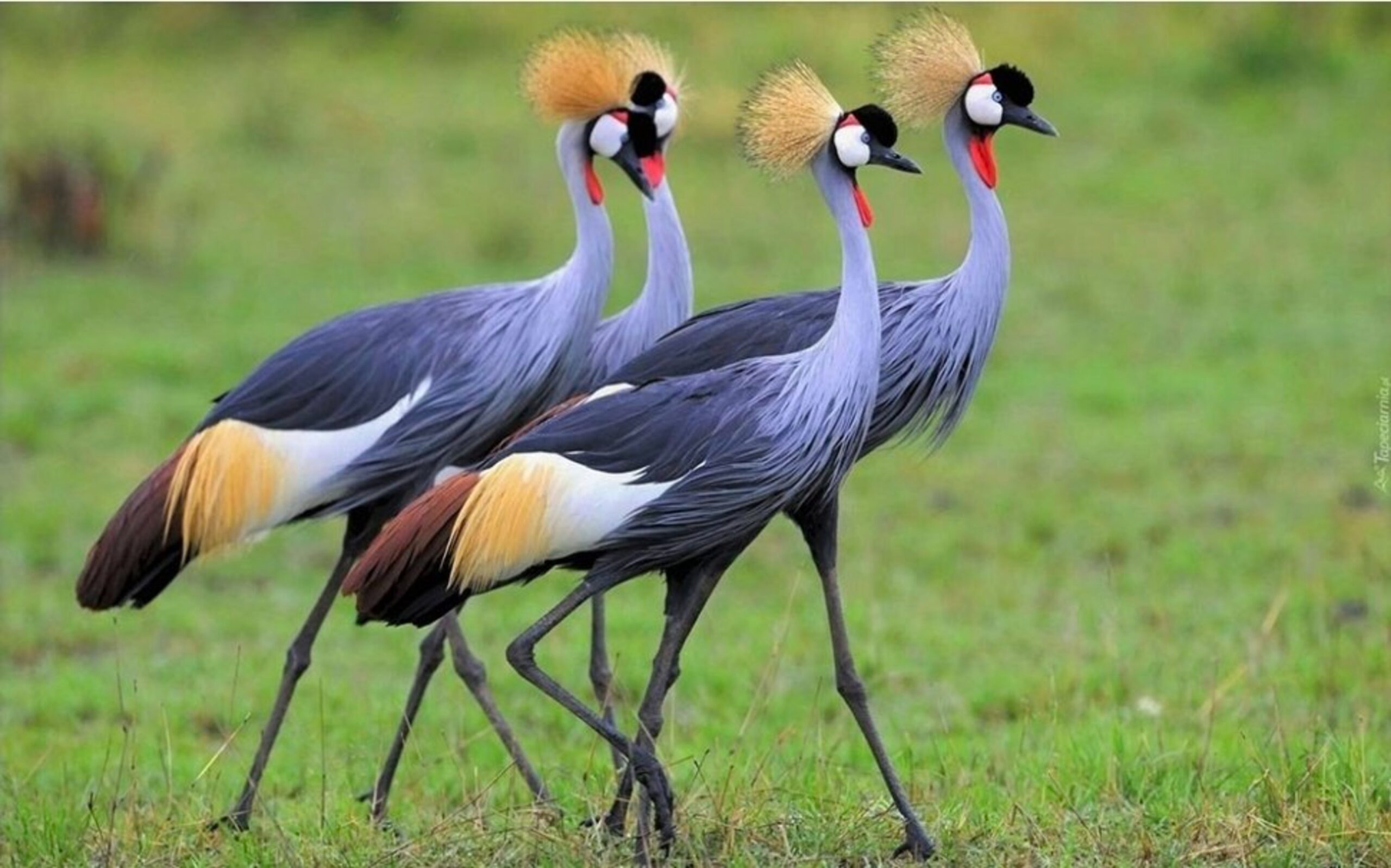
The project focuses on three key outcomes: wetland restoration and conservation; sustainable livelihood alternatives for wetland-dependent communities; and conservation of flagship species, with a specific target of increasing the Grey Crowned Crane (Crested Crane) population by 10%.
Mr Ivan Amanigaruhanga, the Executive Director of the Uganda Biodiversity Fund, noted that the project will be implemented in seven districts: Sheema, Buhweju, Rwampara, Isingiro, including refugee-hosting areas, Rakai, Lwengo, and Kyotera.
“The River Rwizi Catchment supports more than 2.4 million people, a population projected to reach 3 million by 2030. It protects vital water systems feeding into Lake Victoria and forms part of the Sango Bay–Musambwe Ramsar ecosystem, a wetland of international importance. With increasing population pressure and over 90% of households reliant on subsistence agriculture, the need for integrated, people-centred conservation has never been greater,” Musiime said.
The project is being implemented through a strong partnership involving Wetlands International, the International Crane Foundation, Living Earth Uganda, EACOP, government institutions, and district local governments. It is aligned with national priorities on wetland management, biodiversity conservation, and sustainable development.
“Through collaboration and accountability, we can restore wetlands, strengthen livelihoods, and safeguard Uganda’s natural heritage for generations to come,” Musiime added.
Dr. Adalbert Aine-Omucunguzi, the East Africa Regional Director at the International Crane Foundation, revealed that Uganda’s Grey Crowned Crane population has declined by more than 80 percent over the past 25 years.
“In 1986, Uganda had about 35,000 Grey Crowned Cranes. A national census conducted in 2023 found approximately 13,500 remaining. This is a significant decline, and without deliberate action, we risk losing this species, which is also Uganda’s national symbol,” Dr. Adalbert warned.
However, he noted that the current population remains viable and can recover if deliberate conservation measures are taken. Lwengo District has the highest number of Grey Crowned Cranes, followed by Isingiro and Kalungu, among others.
He identified habitat loss as the biggest threat to the species, noting that Grey Crowned Cranes breed exclusively in wetlands, which are rapidly disappearing. Restoring and conserving wetlands, he said, would directly contribute to the recovery of the species.
Other threats include poisoning by communities whose crops are damaged by the birds. Dr. Adalbert emphasised the importance of engaging farmers to develop non-lethal mitigation measures, adding that such approaches have already proven successful in areas where the International Crane Foundation operates.
Working with UBF, local governments, farmers, and other partners, the project aims to achieve a 10% increase in the Grey Crowned Crane population over its duration.
The launch was officiated by the Assistant Commissioner in the Wetlands Management Department at the Ministry of Water and Environment, Mr Joseph Ongol, whose presence highlighted the government’s central role in policy guidance, enforcement, and the sustainability of wetland conservation efforts.
Ongol called on leaders and communities to work together to conserve the Grey Crowned Cranes, stressing that while national development is important, conservation must remain a priority as it is a critical pillar of sustainable development.