


Environment
Sustainable fashion and bark cloth in Uganda

By Victoria Nabukeera
This looks at environmental protection in every product or building stage, focusing on minimizing ecological impact through sustainable materials as adopted by the fashion industry.
Much as fashion evolves every day, a quick thought came up to me to recognize the designers who have put effort into using renewable, recycled and non-toxic materials such as bamboo, bio plastics, backcloth to create durable and repairable products that harmonize with nature. We can see that the world is increasingly degraded and becoming a threat to human life, fauna and flora. Fashion designers and houses before never looked at using recyclable or non-toxic materials, their interest was more into silk, vinyl, leather, fur that came to the cost of destroying nature and it always looked appealing to their target market.
No one would have the desire to be seen dressed up in paper, bamboo, and backcloth or recycled material because it would make you look less appealing. The type of material you wore spoke so loud about you so this forced designers to invest in material that suits the public’s demand, forgetting that in the long run, it would affect the environment. I would give a small description of each eco-friendly material for us to understand as we dive into the feature.
Bamboo is a type of fast-growing grass. The grass is spun into yarn and woven into fabric. It turns out to be soft, breathable and eco-friendly.
Bioplastic is made from plants like sugarcane and corn (PLA) to make sustainable t-shirts and sportswear.
Bark-cloth is traditional Ugandan textile made from “mutuba” tree known as “Ficus natalensis” in scientific terms that is used for traditional-cultural ceremonies and fashion crafts. Right now, being embraced on the fashion market to make designs.
How has fashion using bark cloth led to environmental protection and sustainability?
However, tables have now turned that designers are more into using eco-friendly material to make designer outfits which in the long run has led to the growth of conventional fashion trends. These designs are now reflected on the red carpets, pageants, fashion galas and runways. Each design is curved into something unique which makes you outstand and protects your skin. My focus here is bark cloth originally made from Uganda.
This has made so many celebrities, influencers, fashion enthusiasts alter their tastes to something healthier and biologically safe. They are looking for long life, glowing skin and also better environment safety. And there for the use of non-toxic materials is now high demand to all fashion designers and fashion houses. Starting from my country, I see designers take on the challenge.
Bark-cloth is traditional Ugandan ancient textile made from “mutuba” tree that is used for traditional-cultural ceremonies and fashion crafts. Right now, being embraced on the fashion market to make designs. The synonyms and associated terms for it are lubugo(the luganda name for finished barkcloth), ngonge(the clan responsible for the traditional manufacture of bark cloth) and kaboggoza (the hereditary chief craftsman in the Buganda kingdom).
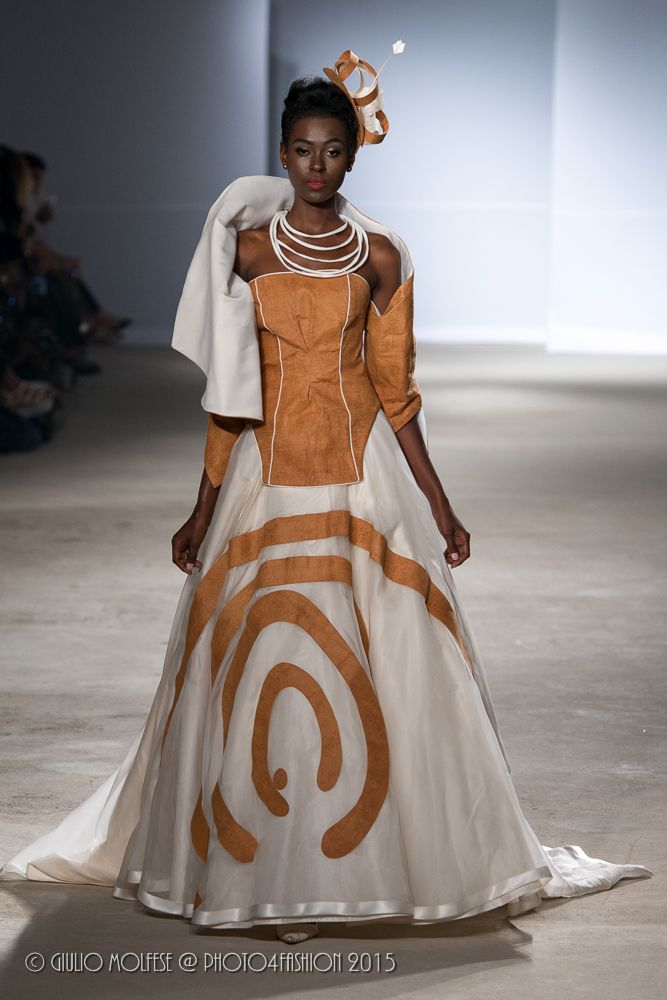
Most designers have taken on the concept of using backcloth stitching it into different designs. And since it is accessible, so the demand is high, with the theme “reduce, reuse, recycle to create Avant-grade fashion pieces show cased internationally. A well-known designer called Jose Hendo took this initiative and spread worldwide. JOSE HENDO DRESS IN BARK CLOTH.
Next, we have Mekeka designs and Sanna Gateja who specialize in curated unique textiles for interior spaces and trendy styles and mixed – media art respectively.

MELEKA DESIGNED BARK CLOTH PILLOWS.
Lastly, we have Katina Godfrey for IGC fashion who works with indigenous materials including bark-cloth and raffia to celebrate Ugandan culture.
Sustainable fashion with continuous practice will reduce skin cancer related problems, eczema complications, environmental degradation and so much more. The bark-cloth is originally rust- brown before it dyed into different colors to suit what the designer wants to make. Some designs are embedded onto denim, silk material to give a touch of class.
I know you are wondering how one puts on a tree but the end to the outfit is beautiful. It’s hard to notice that you are putting on a tree fabric.
The process of making the fabric is a long one but each step is what makes it sensational and beautiful in the end. It all begins with harvesting the bark which regenerates annually, then boiling and meticulously beating it with wooden mallets for hours to create a soft, rust-brown suede –like fabric. Before the cloth was invited for fashion trends it was used for cultural ceremonies mainly for burial and dark magic. Being seen in that fabric most times meant misery and death back here at home.
It all took a turn when bold people started to make designs out of the bark cloth beating down the belief it is associated with the dark side of life. I have mentioned a few designers above who have continuously used bark cloth making it internationally and nationally known. The fashion shift has been booming for some good years and passed on to younger generations of designers.
Bark cloth contributes to sustainable fashion as a regenerative, biodegradable (100% organic) and eco-friendly material where zero-waste, chemical free and traditionally processed textiles with a minimal carbon footprint, offering a sustainable alternative to synthetic fabrics. Since it portrays the following characteristics of versatility and durability and flexibility, it enables its use in varied products from high end bags, clothing to décor.
It turns out that it is the most expensive fabric (122x 74 inches costs around $599) to attain since it is rare given the process it goes through to make making demand high. In addition, few markets supply it which makes it a very sacred fabric.
Then acts as a carbon storing material, supporting a circular, eco conscious fashion economy and finally while it requires cleaning, it generally uses less water than intensive cotton farming given the low tech, traditional processing methods.
The fact that is re-generative, there is no need to cut the trees after harvest but to cover them with banana leaves and it will take time to restore what has been harvested hence conserving nature.
The more this is adapted for use to make designs all over the world, the more sustainability for the environment and disease control for skins. This will call in for more trees to be planted, which restores a green environment which in the long run is a win-win situation.
NB: A few illustrations attached in the story subjected to copyright.