


Environment & Climate Change
Solar-Powered Irrigation Gives Ugandan Farmers Hope Amid Climate Uncertainty

Due to unpredictable rainfall patterns, farmers in Uganda continue to face heavy losses after planting crops with hopes of good harvests, only to see them dry up because of unexpected droughts.
This has left many small-scale farmers uncertain about whether to plant at all, fearing losses caused by unreliable weather conditions and limited financial capacity to invest in risky farming seasons.
Experts say irrigation is one of the best solutions to reduce these risks, especially during dry seasons when crops require a steady water supply. However, many small-scale farmers cannot afford modern irrigation systems, particularly solar-powered irrigation technology.
According to the Pumping Up Climate Technology in Uganda report, climate-related shocks especially drought and rainfall variability have reduced agricultural productivity by between 1 and 7 percent of GDP in Uganda.
In response, the UNEP Copenhagen Climate Centre, in partnership with the Food and Agriculture Organization, the United Nations Environment Programme, Mercy Corps Uganda, Global Green Growth Institute, and Impact Capital for Development, conducted a study to assess how climate change is affecting farmers and identify practical solutions to help them cope with rainfall variability.
The study focused on educating farmers on how to adapt farming practices to changing weather conditions so they can improve productivity, move beyond subsistence farming, and earn sustainable incomes.
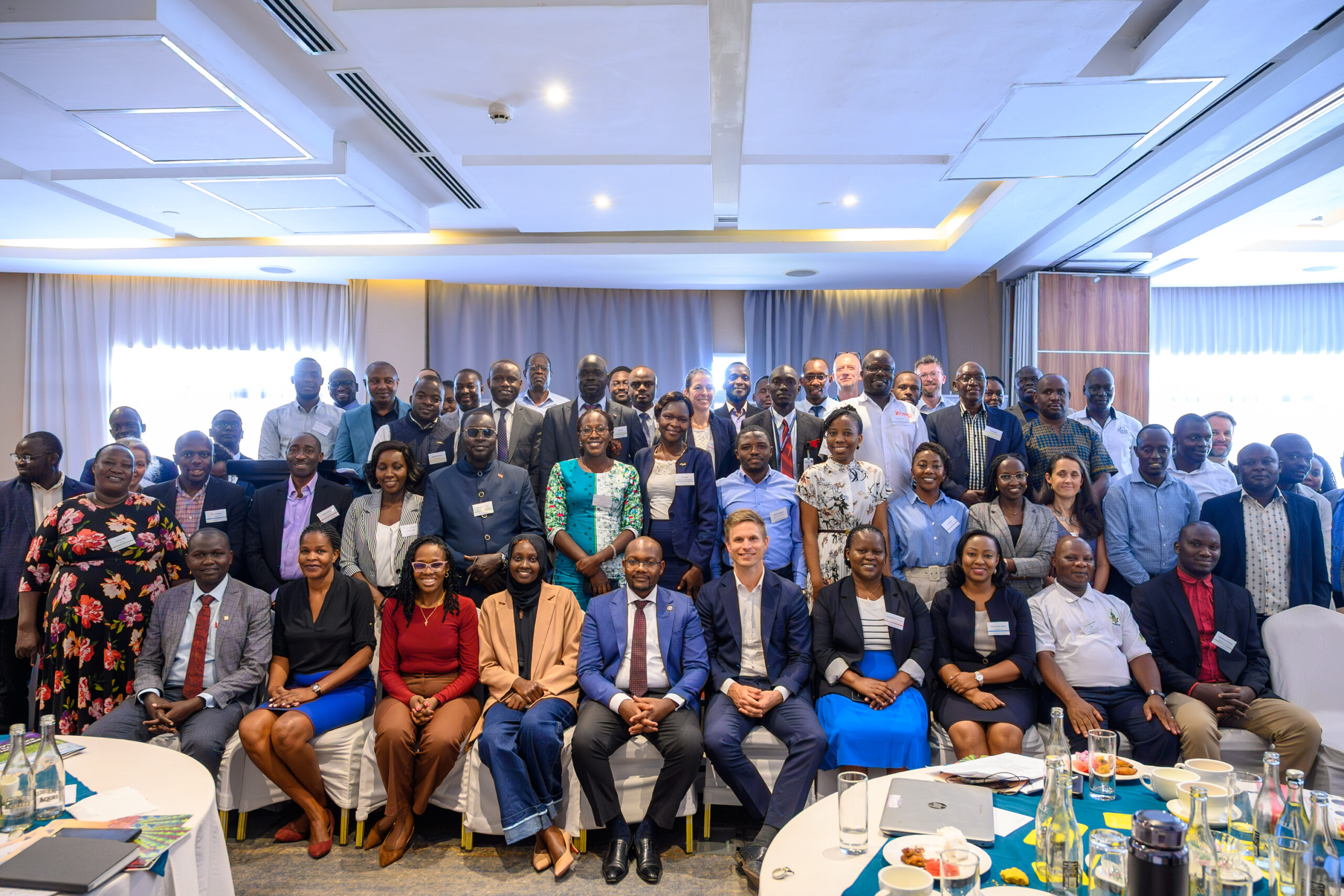
Speaking during the dissemination of the report at Golden Tulip in Kampala, the Acting Commissioner of the Climate Change Department in Uganda’s Ministry of Water and Environment, Bob Natif, emphasized that solar-powered irrigation should be viewed as an important step toward transforming agriculture.
“It is not only about water, but about improving farming systems and supporting farmers to overcome the challenges caused by drought,” he explained.
The Assistant FAO Representative, Martin Ameu, said FAO contributed to the data collection process of the report and remains committed to improving farmers’ livelihoods by ensuring they access technologies that can help them withstand long droughts and sustain agricultural production.
James Muhwezi from Uganda’s Ministry of Finance noted that unreliable rainfall continues to be a major challenge for small-scale farmers, who are often forced to choose between planting immediately or waiting for rain. He called for a shift from awareness campaigns and discussions to practical action that directly supports farmers.
Meanwhile, Vicent Sseremba from Tulime Solar said solar-powered irrigation remains the most sustainable solution to the challenge of rainfall variability because it is more efficient and productive than manual irrigation methods. He also stressed the importance of financial literacy among farmers, saying it can help them diversify crops, reduce financial risks, and improve soil health.
The Program Manager, Mercy Corps Lawrence Otim, expressed optimism about increased adoption of solar-powered irrigation among farmers. He explained that because the technology remains expensive for many small-scale farmers, a group financing model was introduced to enable farmers to jointly purchase and access irrigation systems.
Similarly, the CEO of Innovex, Baguma Douglas, noted that many farmers struggle financially during planting seasons because farm inputs and technology costs compete with household incomes. He explained that Innovex partnered with solar distributors to help farmers acquire solar pumps through flexible payment arrangements, including a 10 to 20 percent down payment, with the remaining balance paid through mobile money over a period of up to two years.
According to stakeholders, these financing models are making it easier for farmers to adopt climate-smart technologies and strengthen resilience against climate change.