


Health
Public Debt Crisis Forcing Governments to Sideline Youth Development – Report

A new report by the Commonwealth Secretariat has warned that rising public debt and tightening budgets are forcing governments to prioritise loan repayments over investment in young people, limiting opportunities for the Commonwealth’s 1.5 billion youth population.
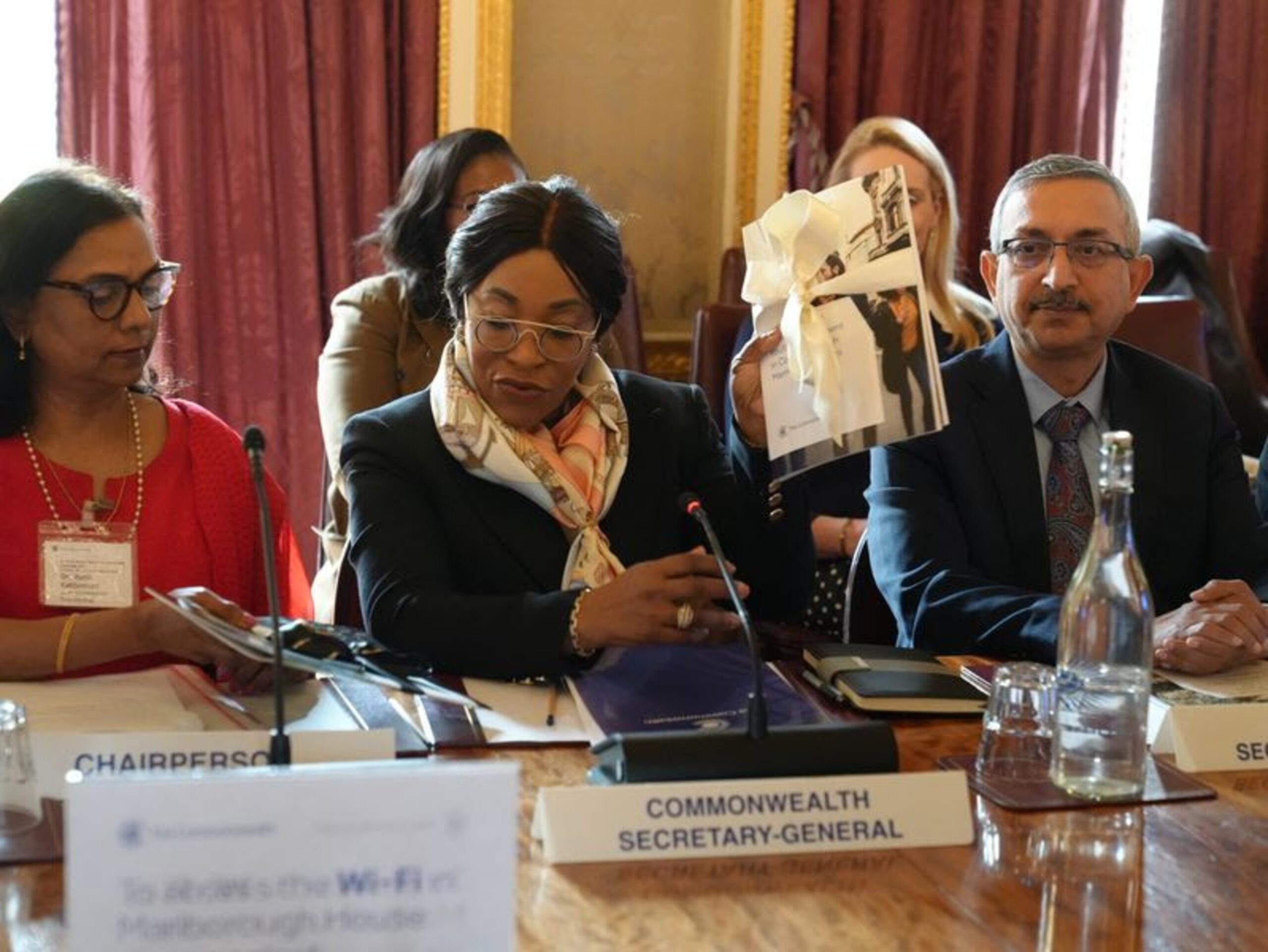
Titled Public Debt and Youth Development in Commonwealth Member Countries, the report was launched at the opening of the week-long Commonwealth Public Debt Management Forum in London. It was unveiled alongside a research paper on the International Monetary Fund’s Resilience and Sustainability Facility, three years after its introduction.
Drawing on data from the Commonwealth Youth Development Index, the report highlights both areas of progress and widening gaps. It notes that as public debt levels reach record highs globally, mounting pressure on government finances is diverting resources away from essential public services.
Alarmingly, national spending on education has steadily declined since 2011, despite a growing youth population.
The report further reveals that these financial pressures, often accompanied by austerity measures, are limiting job opportunities for young people. At the same time, youth priorities remain insufficiently reflected in economic and environmental decision-making, contributing to rising inequality and vulnerability.
Commenting on the findings, Commonwealth Secretary-General Shirley Botchwey said:
“Rising public debt presents a real challenge for many countries, with direct consequences for economic stability and social welfare, especially for our largest constituency—young people.
“Debt is not just a question of balance sheets. For many countries, it is about difficult choices: between investing in people or servicing the past, between resilience and vulnerability.
“This report offers practical guidance to help countries better understand the links between public debt and youth development, and to take decisions that protect investment in young people and their future.”
The report calls for stronger integration of youth priorities into economic planning, greater youth representation in decision-making, protection of spending on education, health and skills, and improved transparency in public debt management.
Debt managers attending the forum welcomed the report. Vera John-Emmanuel, Deputy Director of Finance in the Debt and Investment Management Unit at Saint Lucia’s Ministry of Finance, said:
“It is imperative that we safeguard investments that shape the prospects of our young people. This report underscores the need for debt strategies that balance fiscal responsibility with long-term development, ensuring that future generations are not constrained by the decisions of today.”
Reflecting on the impact of intergenerational debt, Dinithi Gunasekara said:
“The report’s framing of debt not only as an economic issue but also as a social one is insightful. This perspective is rarely considered from a youth perspective, yet it clearly illustrates how far-reaching the impacts can be. It highlights the importance of responsible financing and policymaking to ensure that future generations are not left carrying unsustainable burdens.”
Against the backdrop of unprecedented global debt levels, the Commonwealth Public Debt Management Forum has brought together debt managers from member countries to share experiences and explore best practices in borrowing, managing and repaying public debt sustainably.
Insights from the forum, which concludes on 27 March, will inform the Secretariat’s support to help countries strengthen public debt management policies and operations.
The forum is being organised as part of the Commonwealth Year of Resilient, Innovative and Sustainable Debt.