


Business
Parents Warned as Digital Child Labour Gains Ground

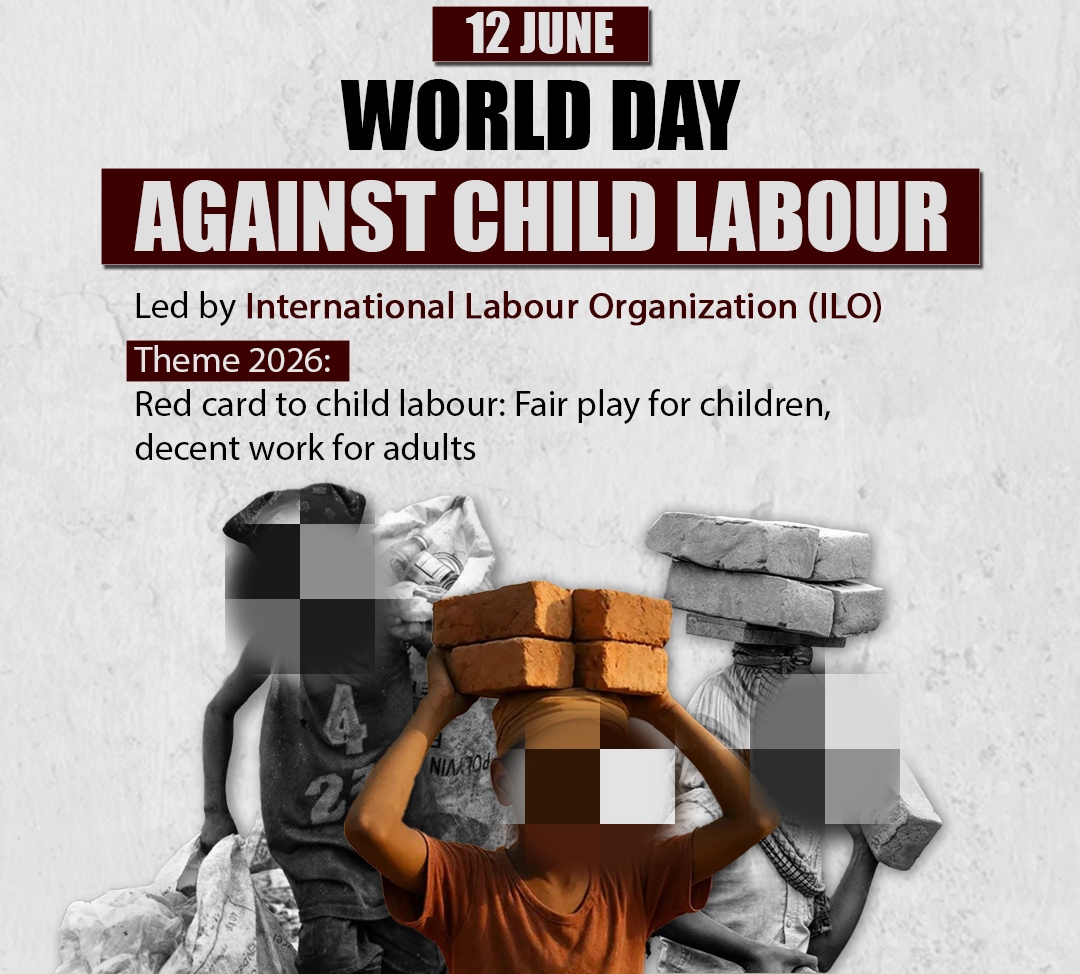
As Uganda joins the rest of the world in commemorating the International Day Against Child Labour, High Sound for Children calls upon the Government of Uganda and relevant stakeholders to address the growing concern of digital child labour, where children are used by parents and guardians to generate income through online platforms.
This appeal comes at a time when many parents have embraced the concept of “kid influencers,” using their children’s photos, videos, and online activities to attract views, likes, followers, and monetary rewards on digital platforms, particularly TikTok and other social media channels.
It should be noted that child labour takes many forms. In Uganda and elsewhere, some children are engaged in activities such as selling goods on the streets, carrying heavy loads, begging on streets, and undertaking other forms of work to support household income. Increasingly, however, children are also being exploited in the digital space, where their content is used to generate revenue for adults.
Many children are continuously filmed singing, dancing, acting, and participating in various online activities, with their identities and faces clearly exposed to the public. This raises serious concerns regarding children’s privacy, safety, and digital rights.
According to the Children (Amendment) Act, 2016, a child’s right to safety, privacy, and access to information is fundamental to their well-being. The Act further places a duty on parents and guardians to protect children from all forms of violence, abuse, exploitation, and neglect.
Furthermore, the Data Protection and Privacy Act, 2019 regulates the collection, processing, and sharing of personal data, including information relating to children. The law seeks to protect minors from unauthorized use of their personal information and requires responsible handling of children’s data.
Despite these legal protections, many parents and guardians continue to share children’s content online without adequate consideration of the long-term implications on their privacy, safety, and well-being.
High Sound for Children therefore urges the government, regulators, civil society organizations, and digital platforms to strengthen awareness, enforcement, and protection measures to safeguard children from all forms of labour and exploitation, including digital child labour, giving every child a safe childhood, free from exploitation both offline and online.
According to the Executive Director of High Sound for Children, Hadijah Mwanje, it is unfortunate that the very parents whose consent is required before the collection and processing of minors’ data are often the same individuals filming, publishing, and monetizing their children’s content online. She notes that this exposes a significant gap in the current legal framework for protecting children’s digital rights.

Mwanje further observes that there remains a global gap in the definition and regulation of digital child labour, which may partly explain why many parents continue to post and monetize their children’s content without fear of legal consequences.
She emphasizes that children have a right to enjoy their childhood, grow in a safe environment, and be protected from all forms of exploitation, adding that they should never be subjected to child labour, whether in physical or digital spaces.
“There is a need for stronger legal action against parents and guardians who use their children as a source of income under the guise of content creation and online influence,” she says.
Mwanje stressed that children belong in schools, playgrounds, and other environments that promote their growth and development, rather than being deprived of their childhood for the sake of gaining views, likes, followers, and money on social media platforms.
Meanwhile, during his tenure as Minister of State for Youth and Children Affairs, Hon. Balam Barugahare cautioned parents against using children’s content as a source of income, warning that such practices violate children’s rights and existing laws.
Despite these warnings, the practice of posting and monetizing children’s videos continues to grow, raising concerns about the effectiveness of current enforcement mechanisms.
As the world marks the International Day Against Child Labour, High Sound for Children is drawing public attention to the silent form of digital violence and exploitation increasingly affecting children online.
She calls upon governments, policymakers, civil society organizations, and digital platforms to take urgent action to protect children from emerging forms of digital exploitation.