


Politics
No Internet Shutdown During Elections, Government Warns Media Against Misinformation

The Ministry of ICT and National Guidance has warned that as the country approaches the election period, there is a rise in misinformation, particularly on digital platforms.
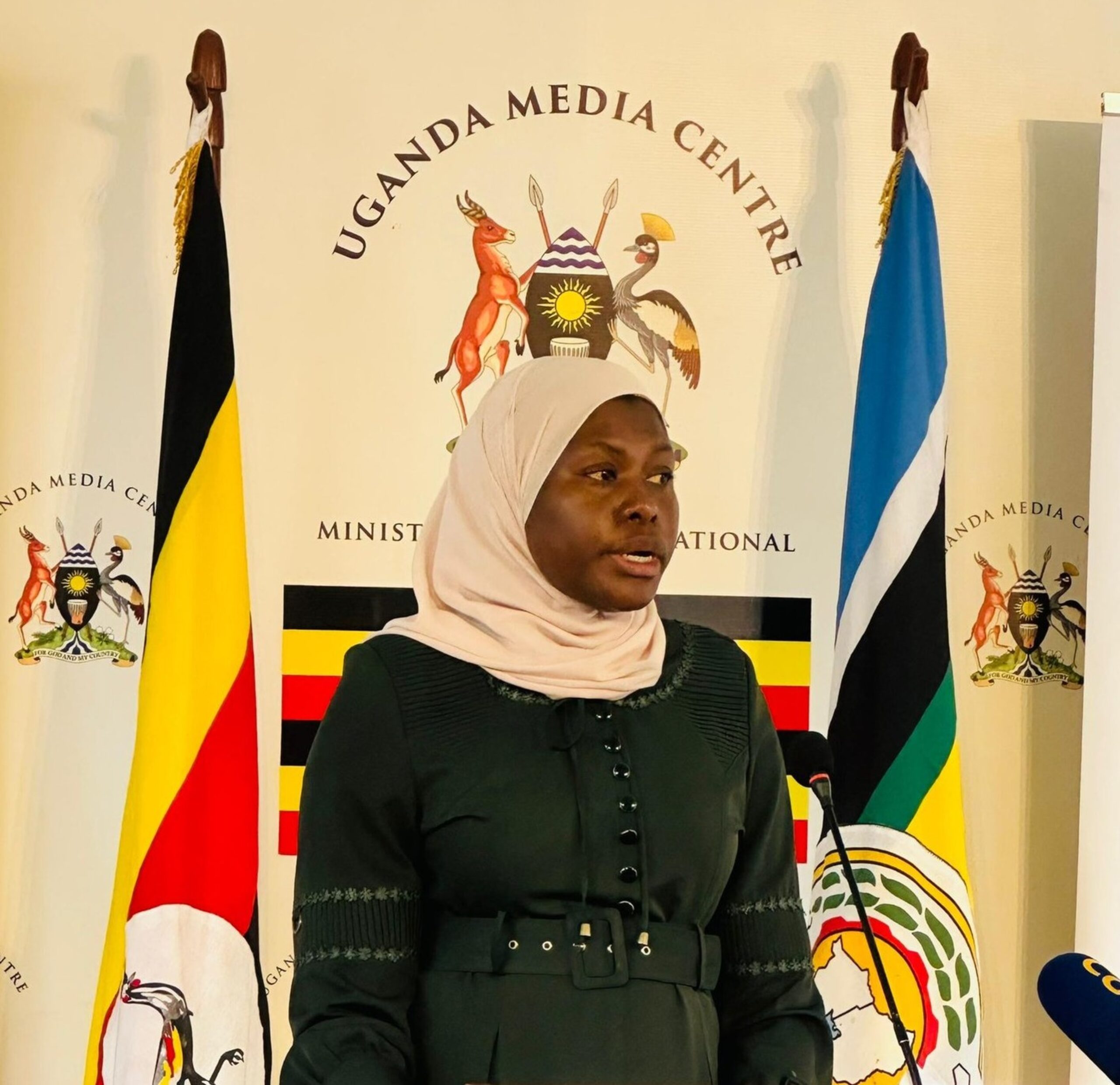
Speaking to the press at the Uganda Media Centre this morning, the Permanent Secretary, Dr Aminah Zawedde, said one of the most persistent claims currently circulating is that the government intends to switch off the internet during the elections.
“The Government has not announced, directed, or implemented any decision to shut down the internet during the election period. Claims suggesting otherwise are false and misleading. Such misinformation unnecessarily creates fear, undermines public confidence, and risks heightening tension at a critical national moment. The Ministry of ICT and National Guidance remains committed to promoting access to information, digital inclusion, and the responsible use of information and communication technologies,” Dr Zawedde said.
She added that ICTs and media platforms play a central role in democratic participation by enabling citizens to access accurate and timely information, a role that becomes even more critical during elections. In this regard, she said, the Ministry continues to work closely with the Uganda Communications Commission (UCC) to prepare the media sector for the electoral period.
“Together, the Ministry and UCC have engaged broadcasters and media stakeholders across the country to reinforce professionalism, ethical conduct, and accountability in election coverage. These efforts have been complemented by ongoing nationwide sensitisation through radio, digital platforms, and direct engagements with media practitioners,” she said.
Dr Zawedde emphasised that responsible media coverage during elections is not optional, but essential for peace, public order, and national stability. She warned that media platforms must not be abused to incite violence, spread falsehoods, or undermine the credibility of the electoral process, adding that the misuse of both traditional and digital media by political actors or individuals pursuing narrow interests will not be tolerated.
Broadcasters and online media practitioners were reminded that live broadcasting or streaming of riots, unlawful processions, or violent incidents is prohibited, as such content can escalate tensions and spread panic. The dissemination of inciting, hateful, or violent content is unlawful and attracts enforcement action. She further noted that the declaration of election results remains the sole mandate of the Electoral Commission, and that the broadcasting or sharing of unverified or premature results is illegal.
Dr Zawedde also stressed that digital platforms are not exempt from the law, noting that the Computer Misuse Act applies fully to online conduct, including the spread of false information and offensive communication. She said freedom of expression must be exercised responsibly and within the framework of the law.
The Uganda Communications Commission, working with relevant stakeholders, is actively monitoring broadcast and online media, and any violations will be addressed in accordance with the law, including regulatory sanctions where necessary.
As the country moves closer to polling day, Dr Zawedde urged media owners, editors, journalists, digital publishers, and the public to rely on verified information and official sources. She also called on all citizens to act responsibly both online and offline, and to reject misinformation intended to cause fear or division.
“Our collective responsibility is to ensure that ICTs and the media contribute to peaceful, credible elections and national unity. Let us use these platforms in the service of truth, stability, and the public good,” she said.