


Environment
Ministry Links Lake Victoria Stench to Pollution, Rising Algal Blooms

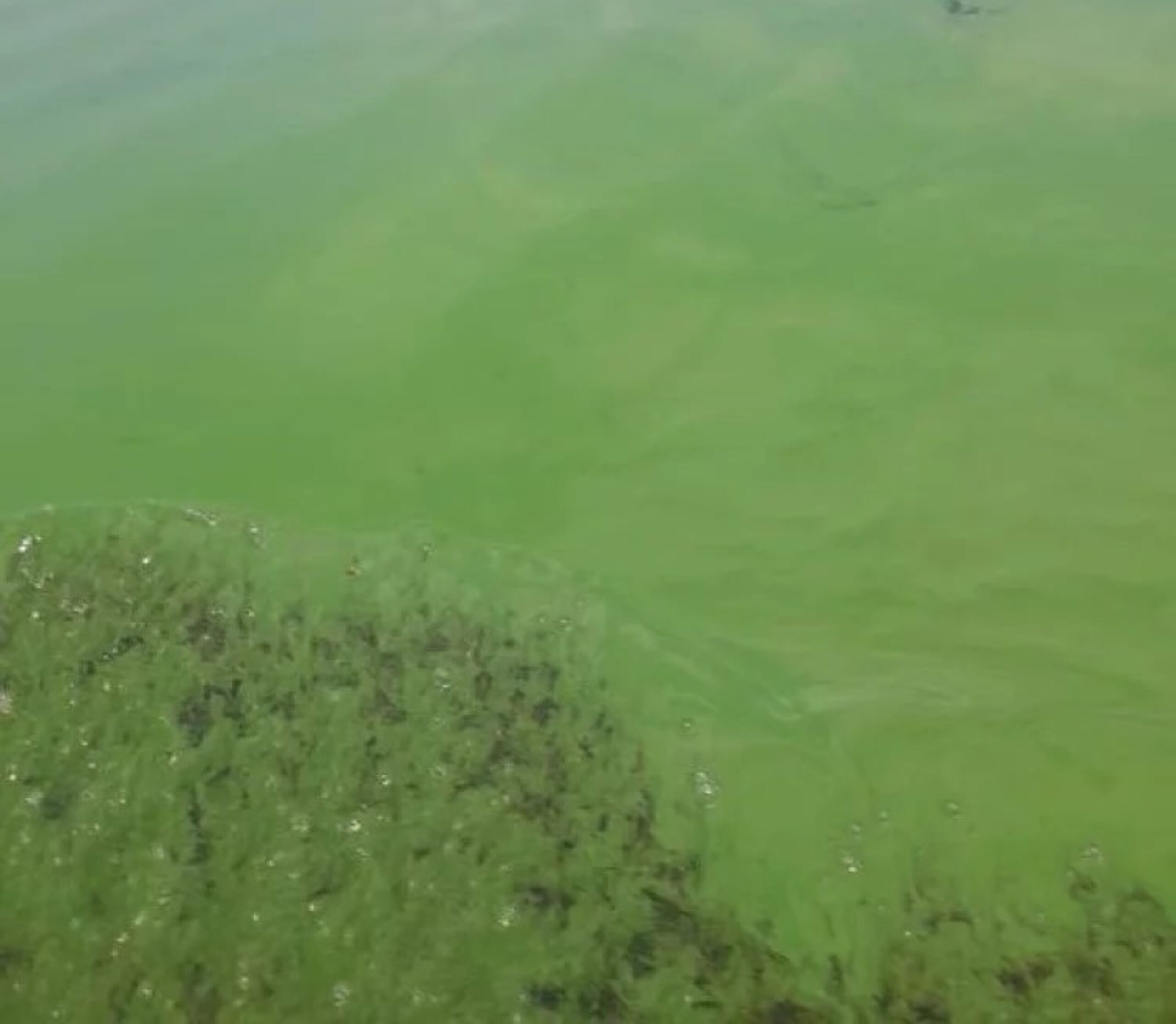
The Ministry of Water and Environment has attributed the recent foul smell along parts of Lake Victoria, particularly the Inner Murchison Bay, to increased algal blooms caused by pollution and high nutrient concentrations in the lake’s bays.
In a statement released on Tuesday, the Ministry noted that Lake Victoria and its basin support more than 45 million people by providing drinking water, transportation routes, hydropower, biodiversity, climate regulation, and hubs for trade and business. The lake’s key natural resources include fish, water, land, forests, wildlife, and minerals.
According to the Ministry, Inner Murchison Bay, one of the most heavily utilised sections of Lake Victoria in Uganda, is shallow, with depths of less than 10 metres, and is sheltered from the open lake. Other bays include Kitubulu and Nakiwogo in Entebbe, and Napoleon Gulf in Jinja. These bays receive large volumes of pollution from surface runoff laden with silt, human and plastic waste, municipal wastewater, industrial effluent, and agricultural runoff.
The situation has been worsened by the degradation of wetlands around the lake, which previously acted as natural filters by trapping nutrients and suspended organic matter before water entered the open lake.
The Ministry operates a Water Quality Monitoring Network comprising 23 monitoring stations in Inner Murchison Bay and 10 in Entebbe Bay. Data collected quarterly from this network informs policy decisions and the design of remedial actions for sustainable lake management.
Studies conducted by the Ministry and its stakeholders show a persistent rise in nitrogen and phosphorus concentrations in the bays, especially Inner Murchison Bay. These nutrients promote excessive algal growth, leading to frequent algal blooms. The Ministry explained that the dry season and high temperatures experienced over the past month intensified the blooms and subsequent decomposition.
When algae die and decompose, they consume oxygen and release gases such as hydrogen sulphide and ammonia, which cause the unpleasant odours. This process also reduces oxygen levels in the water, posing a risk to aquatic life and potentially leading to fish kills. The stench has been most severe around Inner Murchison Bay in Luzira and parts of Entebbe.
To address the problem, the Ministry said it is restoring degraded wetlands, prioritising the maintenance of a 200-metre buffer zone around the lake, conducting regular water quality monitoring, and promoting cleaner production techniques among industries in the lake’s catchment. Enforcement of effluent discharge permit conditions for industries and municipal treatment plants has also been scaled up, alongside increased public awareness campaigns on lake protection.
However, the Ministry acknowledged that more needs to be done. It called for improved solid waste management, promotion of environmentally friendly land and agricultural practices, stronger enforcement of environmental and public health regulations by urban authorities, and expanded stakeholder awareness to foster a sense of ownership in protecting the lake.
“The algal blooms are a constant occurrence in the bays around Lake Victoria due to increased pollution loading,” the Ministry said, emphasising that restoring and maintaining the lake’s ecological balance will require coordinated action by communities, government agencies, urban authorities, and environmental organisations.
The Ministry urged all Ugandans to play a role in protecting Lake Victoria, describing it as a shared national responsibility.