


Religion
Lent Explained: Fasting, Abstinence, and the Meaning Behind the 40 Days

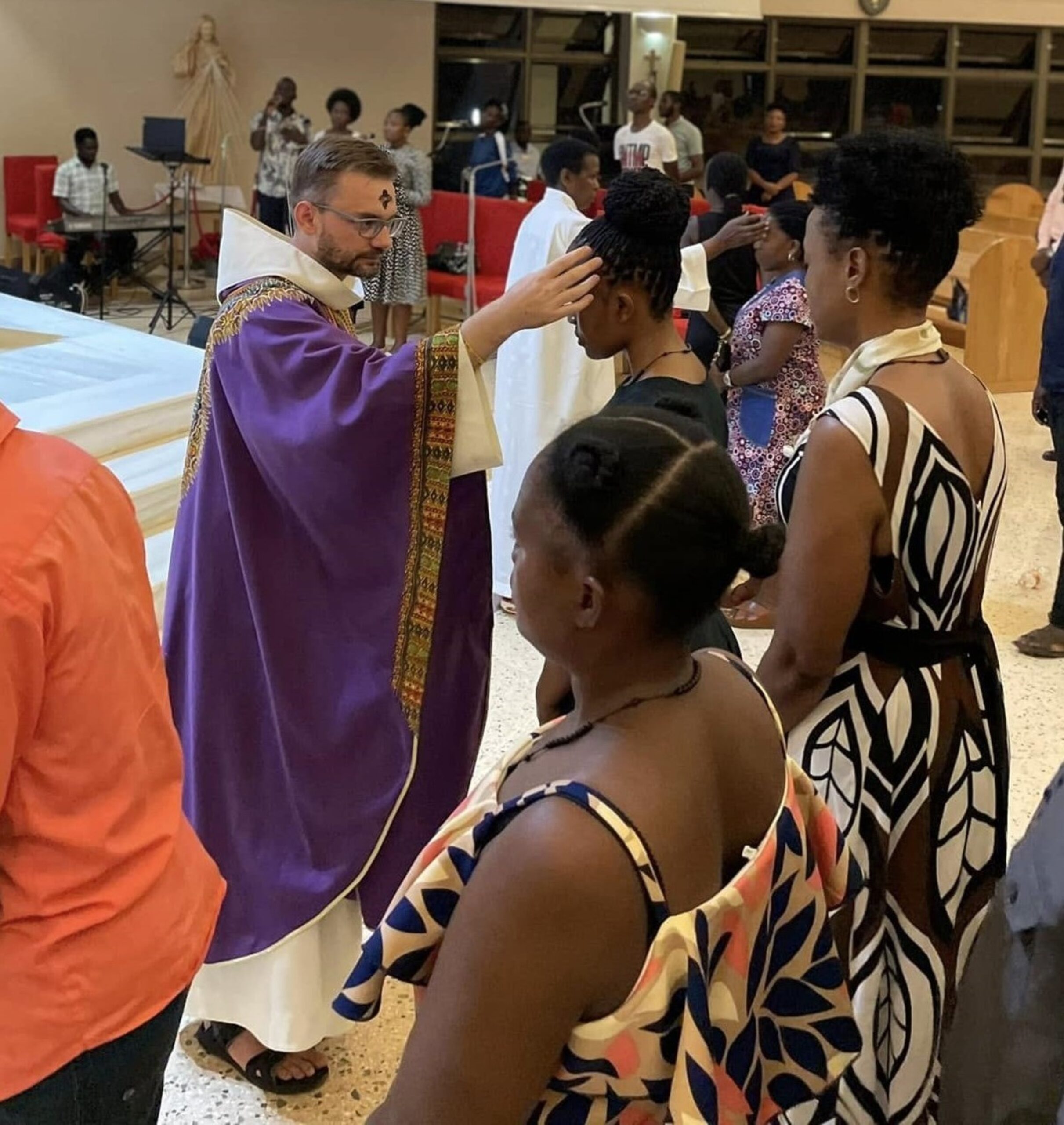
Every year, usually in February or March, the Catholic Church begins the solemn season of Lent, a 40-day spiritual journey of prayer, fasting, and almsgiving in preparation for Easter. Yet, despite its significance, many faithful still have questions about what Lent truly entails.
For instance, while the Lenten season spans 46 calendar days, Catholics fast for only 40 of those days. Why is this so? Why are Sundays excluded? Why does the Church ask the faithful to abstain from meat on certain days? What is the required age for fasting and abstinence? And what does it truly mean to “give something up” for Lent?
These are some of the common questions that arise every year. To help the faithful better understand the meaning and practices of Lent, many parishes organise retreats and recollections, offering spiritual guidance and clarity.
In this spirit, I spoke with Fr. Mpiima Peter, Rector of St. Joseph of Cupertino Formation House (Seminary) at Munyonyo Martyrs Shrine. In this interview, he addresses some of the most frequently asked questions about Lent, shedding light on its purpose and spiritual depth. I hope that this conversation will deepen your understanding and inspire you to journey more meaningfully through the Lenten season.
1. What is the true meaning and purpose of Lent in the Catholic Church?
Fr. Mpiima– Lent is a 40-day liturgical season of conversion, purification, and preparation for the celebration of the Paschal Mystery- the Passion, Death, and Resurrection of Christ at Easter.
Its purpose is:
• Interior repentance (metanoia), changing our thinking and bad habits
• Renewal of baptismal grace
• Reconciliation with God and neighbor
• Participation in Christ’s sacrifice (Paschal Triduum)
It unites us spiritually to:
• Christ’s 40 days in the desert (cf. Matthew 4:1–11)
• Israel’s 40 years in the wilderness
• The Church’s ancient catechumenal preparation for Baptism
Lent is not primarily about self-denial; it is about returning to the Lord with the whole heart (cf. Joel 2:12).
2. What is the difference between fasting and abstinence?
Fr. Mpiima– Fasting
• Concerns the quantity of food.
• One full meal per day, with two smaller meals permitted that together do not equal a full meal.
Abstinence
• Concerns the type of food.
• Refraining from eating meat (traditionally meat from warm-blooded animals).
They are distinct disciplines, though sometimes observed together (e.g., Ash Wednesday and Good Friday).
3. Why do Catholics abstain from meat specifically?
Fr. Mpiima– Historically, meat was considered:
• A celebratory, festive food
• A sign of prosperity and luxury
Abstaining from meat expresses:
• Simplicity
• Sacrifice
• Solidarity with the poor
• Participation in Christ’s suffering
It is not because meat is sinful, but because the Church designates it as a meaningful, common form of sacrifice. The discipline fosters unity across the universal Church.
4. What is fasting according to the teachings of the Catholic Church?
Fr. Mpiima– Fasting is a penitential practice that:
• Disciplines bodily appetites
• Strengthens the will
• Frees the heart from attachment
• Disposes us toward prayer and charity
According to Church law (Code of Canon Law, can. 1249–1253), fasting is required on:
• Ash Wednesday
• Good Friday
Its deeper purpose is interior transformation, not merely dietary restriction.
5. Lent has 46 days, yet we speak of 40. Why?
Fr. Mpiima– From Ash Wednesday to Holy Saturday inclusive = 46 days.
However:
• The six Sundays of Lent are not counted as part of the 40.
• Sundays are always celebrations of the Resurrection.
• The Church does not prescribe fasting on Sundays.
Therefore:
46 total days – 6 Sundays = 40 fasting days.
The number 40 is biblically symbolic of testing, purification, and preparation.
6. Is fasting obligatory? For whom? Is it by force?
Fr. Mpiima– Yes, but within defined limits.
Obligatory fasting:
• Catholics aged 18–60
• On Ash Wednesday and Good Friday
Abstinence:
• Catholics aged 14 and older
• On Ash Wednesday, Good Friday, and Fridays of Lent
It is not “by force” in a coercive sense, but it is a binding ecclesial discipline. The obligation flows from baptismal belonging to the Church.
7. Should fasting be uniform, or is personal discernment allowed?
Fr. Mpiima– The Church establishes minimum universal norms for unity.
Beyond those norms:
• Personal discernment is encouraged.
• Additional sacrifices may be freely chosen.
• Spiritual directors may guide individuals.
The key principle: penance must foster genuine conversion, not competition or spiritual pride.
8. Who is exempt from fasting and abstinence?
Fr. Mpiima– Exemptions include:
• Those under required age limits
• The elderly (over 60 for fasting)
• The sick
• Pregnant or nursing mothers
• Those with medical conditions
• Those whose work demands physical strength
• Those unable to fast for serious reasons
Charity and prudence override discipline when necessary.
9. Beyond food, what other forms of fasting are meaningful today?
Fr. Mpiima– Authentic fasting addresses attachments that enslave the heart. Examples:
• Social media or digital overuse
• Gossip and harmful speech
• Anger or resentment
• Excessive entertainment
• Consumerism
• Impatience
The Fathers of the Church insisted: fasting from injustice is greater than fasting from food.
10. What is the role of prayer, almsgiving, and penance?
Fr. Mpiima– These are the three pillars of Lent (cf. Matthew 6:1–18).
Prayer – restores relationship with God
Fasting – disciplines the self
Almsgiving- restores justice and love toward neighbour
Together, they heal the three fundamental distortions caused by sin:
• Pride (against God)
• Disordered desire (within self)
• Selfishness (toward others)
They form a coherent spiritual strategy.
11. How can families and young people observe Lent meaningfully?
Fr. Mpiima– Practical suggestions:
For families:
• Pray together daily (e.g., Stations of the Cross)
• Choose a shared sacrifice
• Establish a family almsgiving project
• Limit media use intentionally
For young people:
• Digital fasting
• Service to the poor
• Scripture reading plan
• Confession before Holy Week
The goal is the formation of conscience, not external performance.
12. What common mistakes do Christians make during Lent?
Fr. Mpiima– Frequent errors include:
• Treating Lent as a diet program
• Focusing only on food
• Spiritual minimalism (“just doing the minimum”)
• External practice without interior conversion
• Neglecting Confession
• Abandoning resolutions quickly
• Spiritual pride over sacrifices
Lent without charity becomes legalism.
13. How should we spiritually prepare for Holy Week?
Fr. Mpiima– Preparation should intensify during the final two weeks:
• Go to Confession before Palm Sunday
• Meditate on the Passion narratives
• Participate in parish liturgies
• Practice silence on Good Friday
• Fast with greater intentionality
• Contemplate Christ crucified
Holy Week is not merely remembered; it is sacramentally entered.
We wish you a blessed Lenten period.