


News
Inside the FY 2026/27 Shs 84.391 Trillion Budget: Government Prioritises Agriculture, Industry and Infrastructure

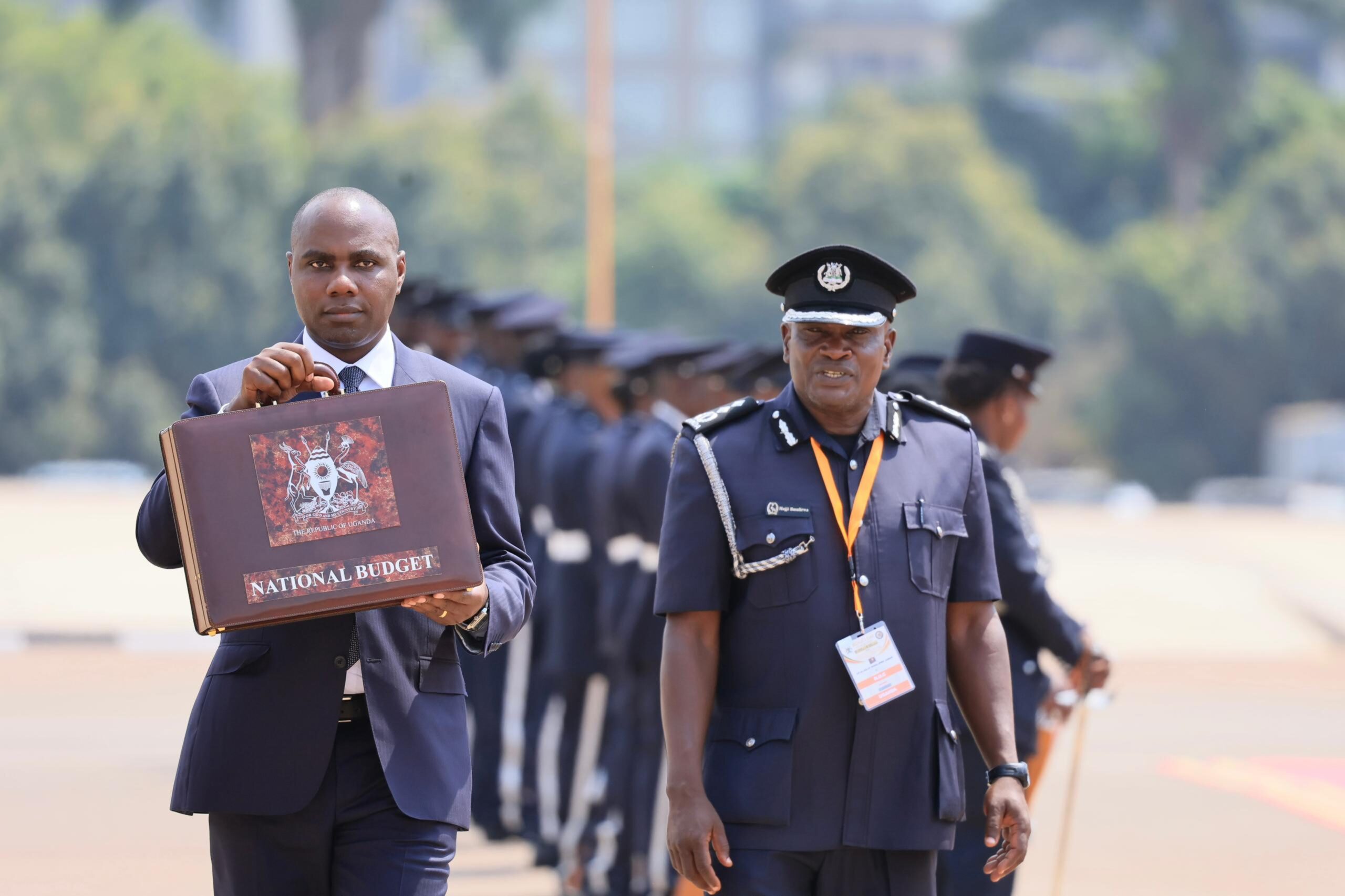
The Government has unveiled an ambitious budget for the 2026/27 financial year, prioritising agro-industrialisation, infrastructure development, industrialisation, science and technology, health, education, and security as key drivers of Uganda’s economic transformation.
Presenting the budget, Hon Henry Musasizi (MP), Minister of Finance, Planning and Economic Development, highlighted major achievements registered in the outgoing financial year and outlined substantial allocations aimed at accelerating the country’s tenfold growth strategy.
Agriculture Receives Record Shs 2.26 Trillion
Agriculture emerged as one of the biggest winners in the new budget, with a record allocation of Shs 2.26 trillion, the highest ever for the agro-industrialisation programme.
The minister said significant progress had been made in agricultural research and innovation, including the completion of the anti-tick vaccine facility at the National Livestock Resources Research Institute in Nakyesasa. The facility is now operational and can produce 36 million doses annually, enough to serve 18 million livestock in its first year.
To expand commercial coffee farming, the government established two coffee mother gardens and distributed more than 1.4 million coffee seedlings to 7,532 farmers in Northern Uganda.

Tourism Sector Allocated Shs 567 Billion
Tourism will receive Shs 567.32 billion in the coming financial year to boost destination marketing, infrastructure development, conservation and conference tourism.
The sector registered several international accolades, including the “Best in Show – Africa” award at the 2026 New York Travel and Adventure Show and the “Best Exquisite Destination Award” at the Outbound Travel Mart in Mumbai.
Mineral Wealth and Oil Sector Expansion
The government announced that mineral exploration had confirmed an estimated 300 million tonnes of iron ore across several districts, including Kabale, Rubanda, Rukiga, Kisoro, Kanungu, Kiruhura and Hoima.
A new clinker factory commissioned in Moroto can produce 6,000 tonnes per day, with an annual capacity of 2 million tonnes of clinker and 3 million tonnes of cement. The project is expected to save Uganda up to USD 260 million annually in imports and create about 4,000 jobs.
The minister also revealed that 51 additional oil wells were drilled during the year, bringing the total to 199 wells, exceeding the 189 wells required for First Oil production.
The mineral-based industrial development, mining, oil and gas sector has been allocated Shs 473.51 billion.
Science and Technology Drive Industrialisation
The Science, Technology and Innovation (STI) sector received Shs 1.14 trillion.
Hon Musasizi highlighted the commissioning of the Kiira Vehicle Plant in Jinja, which has the capacity to produce 2,500 buses annually. The company has already recorded sales worth Shs 21.6 billion and secured orders for 450 buses.
More than 25,000 electric vehicles, including buses, motorcycles and bicycles, have been produced locally, with up to 40 per cent local content.
In the pharmaceutical sector, Microhaem Scientifics reported annual sales of approximately USD 75 million from diagnostic kits used in malaria, HIV/AIDS and sickle cell disease testing.
The government also announced that an additional 879 kilometres of fibre optic cable had been installed, bringing Uganda’s national fibre network to 62,941 kilometres. Internet costs have fallen from USD 70 to USD 35 per megabit per second.
Mobile money transactions increased by 29 percent to Shs 392.7 trillion, while active mobile money accounts reached 36.7 million. Uganda now has 57.3 million registered mobile phone subscriptions and 20 million smartphones connected to local networks.

Crime Drops as Security Spending Rises
A total of Shs 10.21 trillion has been allocated to security, governance and the rule of law.
The newly operational 275-bed National Referral Military Hospital in Mbuya is already treating an average of 150 patients daily.
The minister also disclosed that 34.14 million Ugandans now have National Identification Numbers (NINs), while 13.85 million national IDs have been renewed.

Massive Infrastructure Investments
The transport sector received Shs 8.79 trillion, one of the largest allocations in the budget.
During the year, the Government continued construction of 24 major roads covering 1,154 kilometres and rehabilitated 949 kilometres of national roads.
Construction of the 273-kilometre Standard Gauge Railway (SGR) from Malaba to Kampala has commenced. Once completed, container transport costs from Mombasa to Kampala are expected to fall from USD 3,500 to USD 1,600, while transit time will reduce from five days to one day.
At Entebbe International Airport, passenger capacity has increased from 2 million to 3.5 million travellers annually following completion of Phase I of the airport expansion project.
The government also plans to acquire eight new passenger aircraft for Uganda Airlines.
Energy Sector Targets Industrial Growth
The government allocated Shs 2.07 trillion to energy development.
Uganda’s installed electricity generation capacity currently stands at 2,098 megawatts, with a long-term target of 52,482 megawatts.
The share of rural households connected to the national grid nearly doubled from 6.8 percent in FY2021/22 to 11.4 percent in FY2024/25. Additionally, 419,592 off-grid solar connections have been installed nationwide.
Health Sector Receives Shs 5.23 Trillion
Health will receive Shs 5.23 trillion in the new financial year.
Funding for essential medicines through the National Medical Stores increased by Shs 145.33 billion to Shs 862.93 billion.
The government equipped 17 Regional Referral Hospitals and 25 General Hospitals with Neonatal Intensive Care Units and installed CT scan machines in 14 Regional Referral Hospitals.
Immunisation coverage for children under one year reached 94 per cent, while measles-rubella vaccine coverage stood at 93 percent.
The Uganda Heart Institute conducted 634 cardiac procedures, while the Uganda Cancer Institute performed the country’s first bone marrow transplant in April 2026.

Education Gets Shs 6.66 Trillion
The education sector received Shs 6.66 trillion.
The minister reported that 9.52 million learners benefited from Universal Primary Education, while 995,116 learners benefited from Universal Secondary Education and Universal Post O-Level Education and Training programmes.
A total of 90 new seed secondary schools were completed, 54 schools expanded, and 259 seed schools operationalised.
The government also allocated an additional Shs 568.65 billion to enhance salaries for primary school teachers and arts teachers in secondary schools and BTVET institutions.
Water, Social Protection and Industry
The government allocated Shs 1.013 trillion for water and sanitation. Access to improved water sources now stands at 71 percent nationally, with 68 percent coverage in rural areas and 74.5 percent in urban areas.
Social protection programmes will receive Shs 173.55 billion. The SAGE programme has cumulatively supported 489,673 beneficiaries at a cost of Shs 836.1 billion.
Meanwhile, the manufacturing sector received Shs 1.03 trillion, with the government reporting that the number of formal factories has risen to 10,437, including 690 factories located in industrial parks.
The Presidential Zonal Industrial Hubs programme has so far trained 82,790 youth, while the number of hubs has increased to 28 nationwide.
Environmental Protection
The government allocated Shs 494.08 billion for environmental protection and climate resilience, as well as Shs 361.88 billion for the Contingency Fund to strengthen disaster response.