


News
ICT Ministry Seeks UGX45 Billion for PDM Automation and Smart City Rollout

The Ministry of ICT and National Guidance is seeking UGX45 billion to support the automation of the Parish Development Model (PDM) and the rollout of smart city projects aimed at removing overhead fibre cables and poles installed by telecom companies in Uganda’s cities and towns.
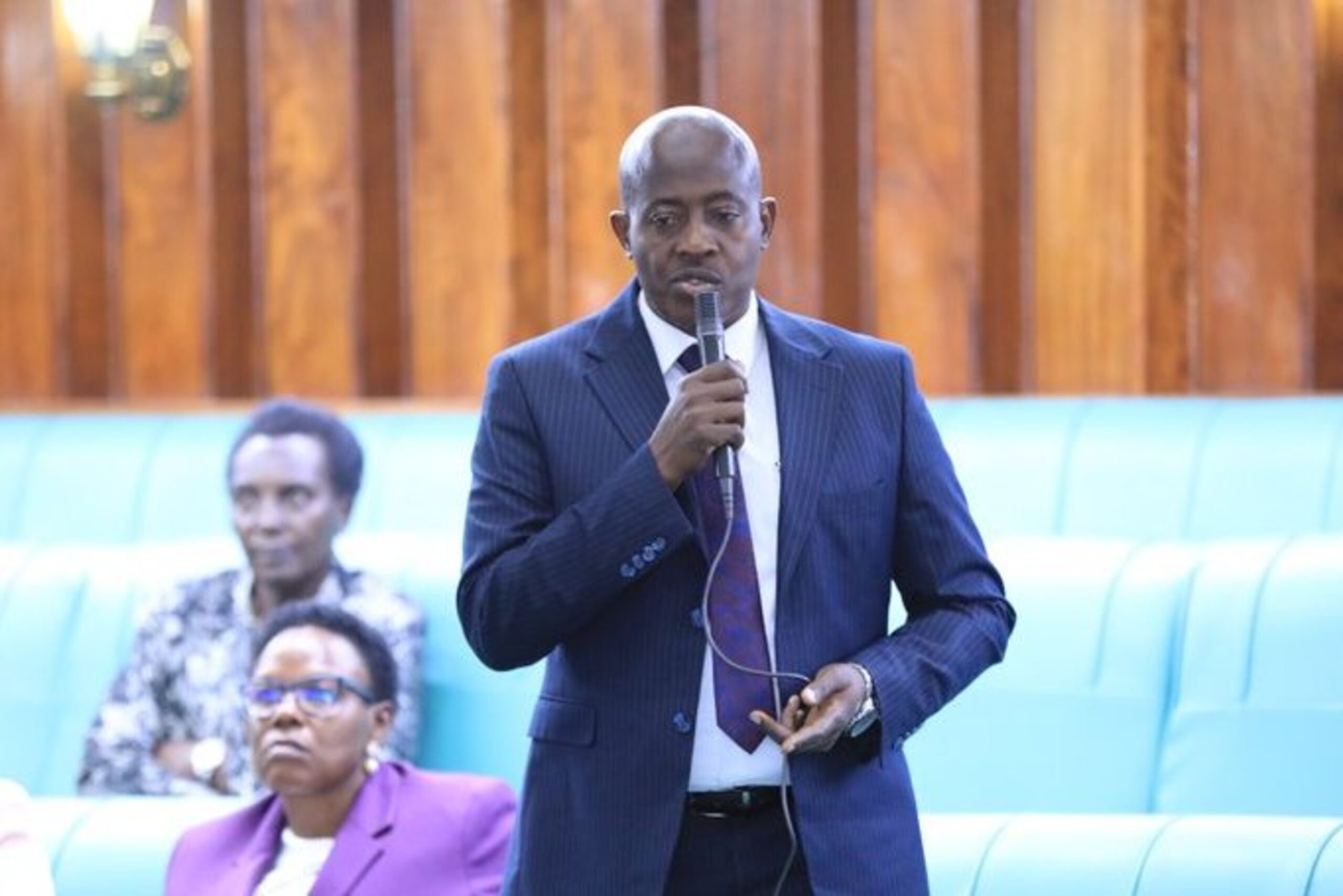
The request was presented by Iddi Isabirye, Vice Chairperson of Parliament’s Committee on ICT, while appearing before the Budget Committee on 28 January 2026 to present the committee’s report on the 2026/27 National Budget Framework Paper for the digital transformation programme.
“The Committee was informed that the Ministry has a plan to further automate and roll out electronic government services, including PDM and smart city solutions, and the requirement for the financial year 2026/2027 is UGX45 billion,” Isabirye said. “However, only UGX34 billion has been allocated, leaving a funding gap of UGX11 billion.”
However, Paul Omara (Otuke County) questioned the need for additional funding to automate PDM, noting that transactions are already being processed through the WENDI platform.
“We have had this thing called WENDI, which I understand is the PDM payment platform, and it has already been rolled out and is functioning well,” Omara said. “So when the committee recommends that UGX11 billion be provided to automate PDM and facilitate smart city and other e-government services, there is need for more explanation.”
Achia Remigio (Pian County) also queried the request for extra funds, pointing out that similar allocations had been made in the previous financial year for continuous automation of government services.
He noted that in the 2025/26 budget, the Ministry had requested UGX16.1 billion for ongoing automation and rollout of e-government services, but initially received UGX6.51 billion, creating a funding gap of about UGX9.59 billion which Parliament later approved.
“Now in the financial year 2026/2027 the requirement has risen to UGX45 billion, yet UGX34 billion has already been allocated, leaving a gap of UGX11 billion,” Achia said. He criticised the ICT Committee for not sufficiently interrogating the new request during consideration of the Budget Framework Paper.
“So what did the earlier funding achieve? They said they needed UGX16.1 billion and we gave it to them. Now the appetite has shot up to UGX45 billion, and even after being given UGX34 billion they are still asking for more. These ministries must be asked to account for what was previously provided,” he added.
Although Moses Magogo (Budiope East) supported funding for smart city infrastructure, he faulted the decision to combine it with PDM automation in a single budget line.
“When we talk about the scattered fibre cables, the idea is to create a centralised system. Right now different actors, including telecom companies and government entities, are putting up separate fibre lines, often overhead. That is what the smart city concept is trying to address,” Magogo said.
Musa Noah (Koboko North) told the committee those earlier engagements with the Ministry of ICT had clarified that one component of the smart city project is to clean up urban spaces by moving fibre infrastructure into underground service ducts shared by all providers.
“The plan is for all fibre to go into designated service ducts so that every provider runs their cables through a centralised system. That is one part. Other components include better traffic management and improved waste management,” Noah explained.
He added that automation of government services goes beyond PDM payments and covers a wide range of digital systems, including e-procurement, digital asset and equipment management, the Parish Development Management System (PDMS), education management systems and other integrated government e-services intended to improve efficiency and service delivery.