


Health
Health Ministry Seeks UGX 32.5bn to Digitise Public Hospitals

The Ministry of Health has requested UGX 32.5 billion to digitise major public health facilities across the country in a bid to curb the theft of drugs and medical equipment by staff in government hospitals.
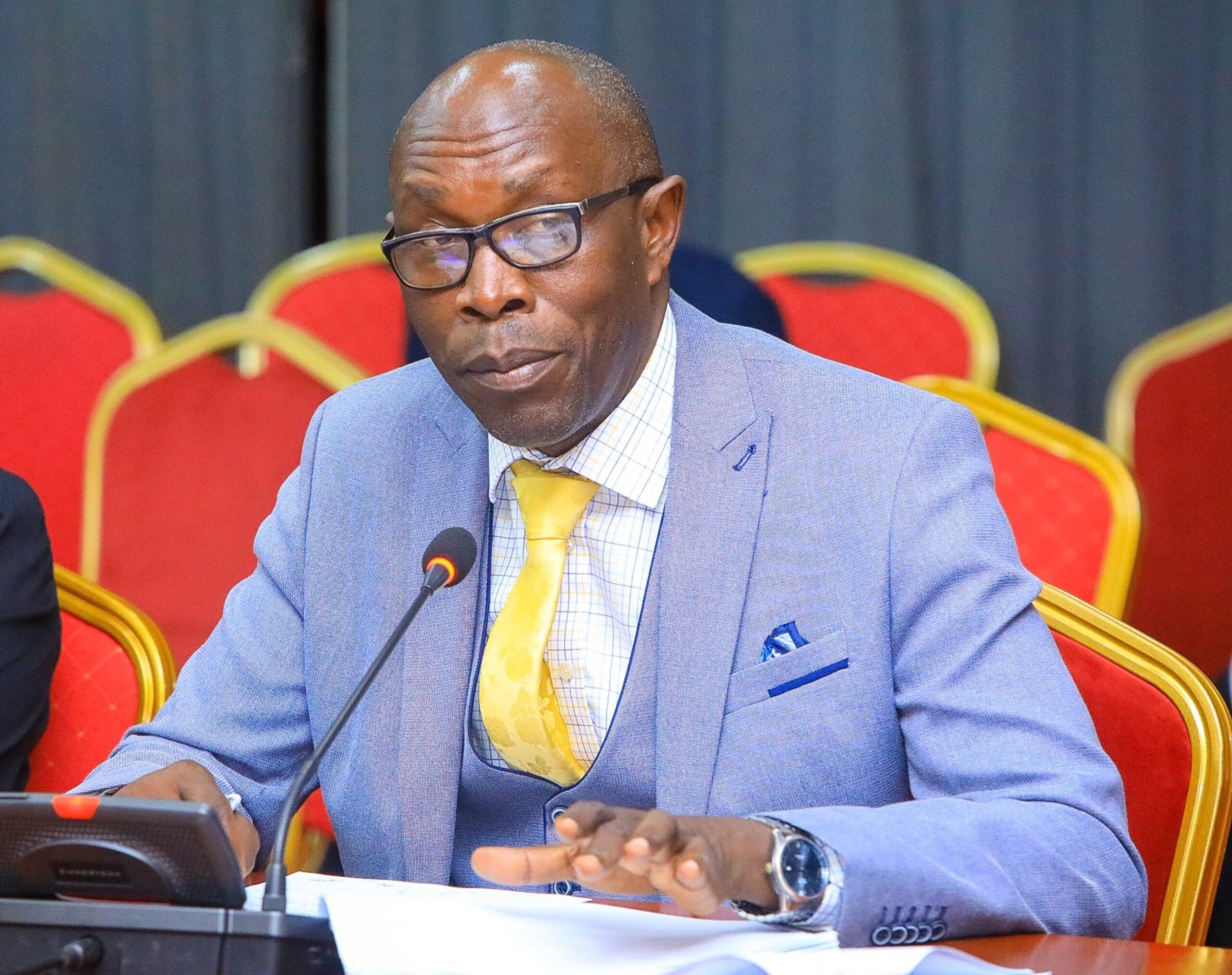
The request was presented by Joseph Ruyonga, Chairperson of Parliament’s Health Committee, while appearing before the Budget Committee on January 28, 2026, to present the health sector report for the 2026/27 National Budget Framework Paper.
In his submission, Ruyonga said the funds were needed to roll out hospital management systems nationwide. “For the digitisation of hospitals, we need UGX 32.5 billion for hospital management systems,” he said.
However, the Vice Chairperson of the Budget Committee, Achia Remigio, demanded that the Ministry of Health first present a clear strategy for the digitisation of public hospitals before Parliament approves the funds.
“We need a strategy. The committee must interrogate that. What is the strategy and the rollout? Is it across the country or limited to selected regional hospitals?” Achia said.
He added that digitisation goes beyond installing hardware, noting that issues such as connectivity and network infrastructure must be addressed. “Digitisation is not just about wires; it is also about the network,” he said.
Paul Omara (Otuke County) also weighed in, calling for the presentation of a national digitisation strategy, arguing that several sectors have proposed digitisation initiatives without a clear overarching policy framework.
“What is our overall strategy as a country on digitisation of our systems? We are talking about payments, data, and now management systems because drugs are being stolen across the country,” Omara said.
He questioned whether individual ministries should procure standalone systems outside a coordinated government framework. “A ministry wakes up and says we will digitise and procure our own systems separately from a government-wide system. I don’t know how the government is functioning,” he added.
Sylvia Nayebare (Gomba District Woman MP) supported the proposal, saying digitisation would improve transparency and accountability in the management of drugs and medical supplies.
“I personally support this because having a database and a system is the backbone of healthcare planning. Without it, you cannot know how many patients were treated, how many children need vaccination or immunisation,” Nayebare said.
She added that regardless of coordination with other institutions, the health sector urgently needs a functional database.
Ruyonga, however, raised concerns about how digitisation would affect border health facilities that serve foreign nationals, particularly from South Sudan and the Democratic Republic of Congo (DRC).
“Facilities in border areas, especially in northern Uganda, receive many patients from South Sudan who use a significant amount of our drugs. When we introduce digitisation, I am not sure how we will handle that,” he said.