


Business
ERA Set to Make Final Decision on 2026 Power Tariff

After reviewing budget proposals from various power companies, the Electricity Regulatory Authority (ERA) is set to reach a final decision on the electricity tariffs that will apply in 2026.
This follows a public hearing held on 9 December 2025, during which companies, including the Uganda Electricity Generation Company Limited (UEGCL), Uganda Electricity Transmission Company Limited (UETCL), and Uganda Electricity Distribution Company Limited (UEDCL), presented their applications for the 2026 tariff year.
The presentations highlighted their projected revenue requirements, planned activities, and associated costs, all of which ERA will consider when setting next year’s end-user electricity prices.
It should be recalled that UMEME’s license expired in March 2025, after which the government handed electricity distribution over to UEDCL, which has since been in charge of supplying power nationwide.
However, the public hearing took place at a time when the country was still facing widespread power challenges. Many of the concerns raised by citizens during the hearing remain unresolved, and these issues form a major part of the public feedback submitted to the regulator.
During the hearing, the power companies not only presented their budget proposals but also highlighted the challenges they are currently facing, while assuring the public that efforts are underway to address these issues.
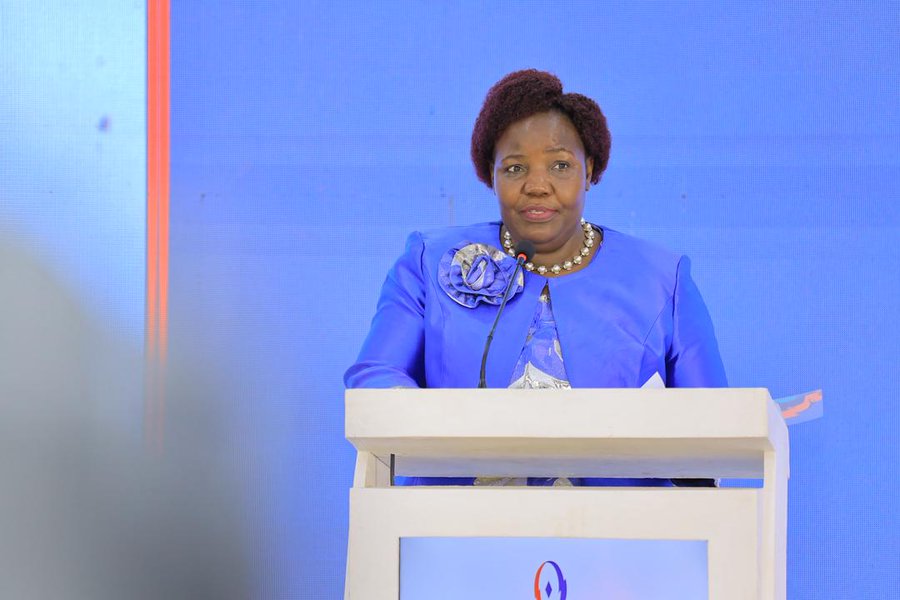
Speaking to the press, ERA Chief Executive Officer Eng. Ziria Tibalwa Waako urged the public to scrutinize the applications and submit their comments. She emphasised that public input is crucial to ensuring that the proposed resources, revenues, and planned projects deliver value to electricity consumers, improve service delivery, enhance reliability, and support increased connectivity, ultimately resulting in a tariff that benefits end users.
Eng. Ziria encouraged Ugandans to take a keen interest in understanding how electricity prices are determined, noting that electricity is a key driver of economic growth, industrialization, and the country’s broader socio-economic transformation.
Addressing concerns about persistent power blackouts, UEDCL explained that when they took over electricity distribution, many network components were already worn out and overdue for replacement.
The company said this equipment deficit is one of the major reasons outages continue to occur, though efforts to restore and upgrade the system are ongoing.
UEDCL Managing Director Paul Mwesigwa explained that the company is still awaiting delivery of transformers and other essential equipment that has already been ordered, equipment he says is critical to resolving the current challenges in the distribution network.
He assured Ugandans that the 4,000 transformers currently on order are expected to arrive before the end of this year, adding that by January next year, most of the major issues affecting power supply should be significantly addressed.
Mwesigwa further revealed that UEDCL has prepared a 2026 budget of USD 131 million, which is expected to support the construction of a new substation, upgrades to existing power lines, and the extension of new distribution lines.
He noted that electricity consumption in several parts of the country—including Kakiri, Kampala, and Najjanankumbi—has increased, with daily demand rising from 17 gigawatts to 19 gigawatts.
He also appreciated the public for positively responding to the Wetereze campaign, reporting that more than 28,000 customers have so far had their meters replaced.