


Business
CSOs Back Alcohol and Betting Tax Hikes to Fund Health Sector

Civil Society Organisations (CSOs) have supported government proposals to increase taxes on alcohol and sports betting earnings, arguing that the additional revenue could help fund Uganda’s strained health sector, particularly in addressing rising cases of mental health disorders linked to substance abuse and gambling.
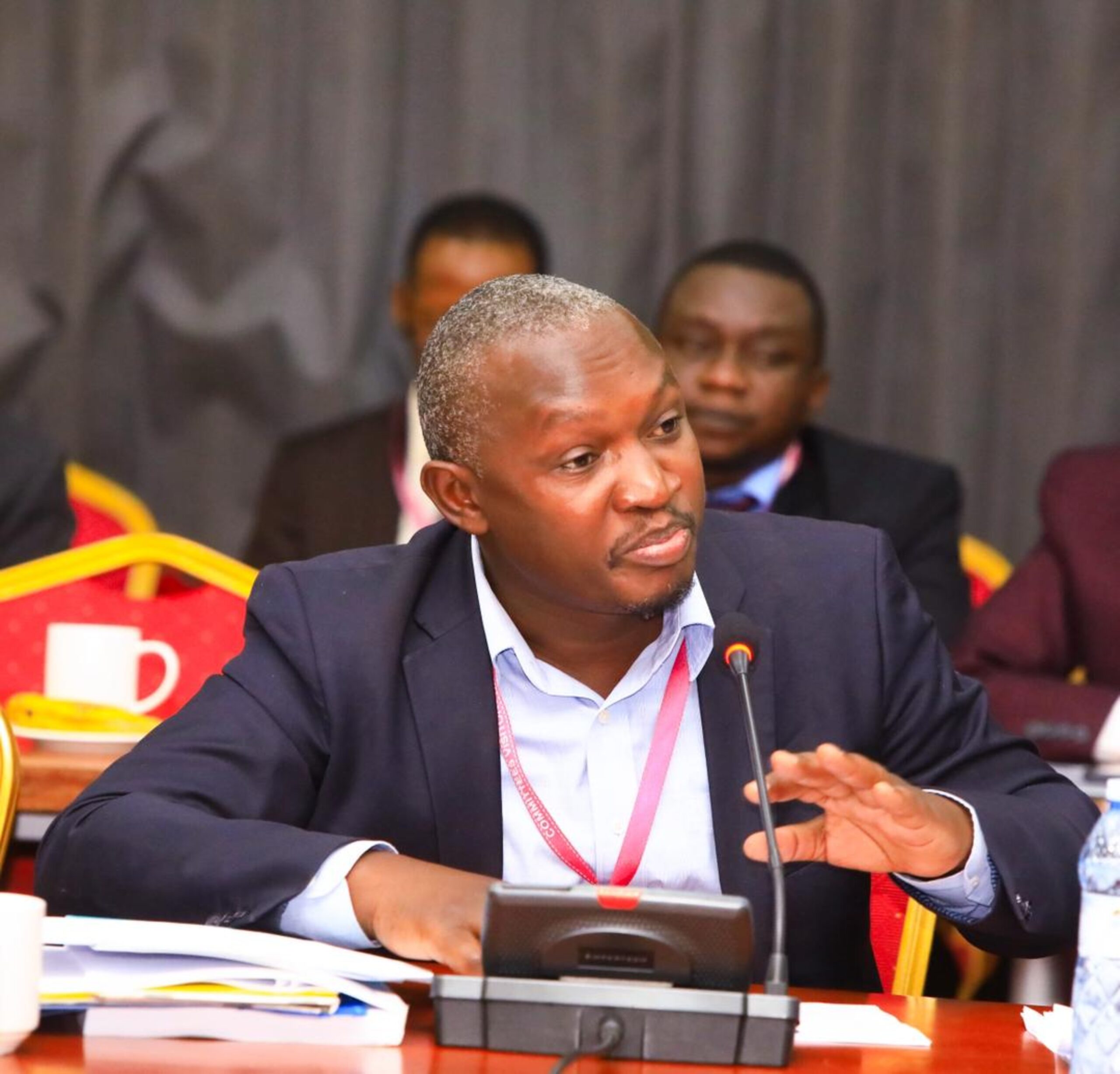
The position was presented by Mr Moses Tahibita, Legal Officer at the Uganda National Health Consumers Organization (UNHCO), a member of the Tax Justice Alliance Uganda, during a session before Parliament’s Finance Committee reviewing the 2026 Tax Bills tabled by the Ministry of Finance.
Tahibita welcomed the proposed tax measures, noting that they serve multiple purposes, including reducing harmful consumption and generating much-needed government revenue.
“We appreciate this proposal because it integrates different taxation strategies that can mitigate the effects of alcohol consumption by making it less affordable, while also supporting domestic revenue mobilisation,” he said.
He further urged government to adopt a policy of annually increasing taxes on alcohol to ensure sustained funding for the health sector.
“If these revenues are properly earmarked, they can provide alternative financing mechanisms, including support for the National Health Insurance Scheme,” he added.
Tahibita also endorsed measures aimed at protecting local industries, but emphasized that regardless of origin, alcohol consumption poses significant public health risks. He linked alcohol abuse and gambling to increasing mental health cases, noting that access to specialised care remains costly for many Ugandans.
Beyond alcohol and betting, the Tax Justice Alliance Uganda also backed proposals to increase taxes on sugar, citing growing concerns over non-communicable diseases. Tahibita pointed to rising cases of paediatric dental issues and lifestyle-related illnesses driven by high sugar consumption, especially among young people.
“Many people are replacing traditional diets with sugary drinks such as sodas and processed juices, which has serious health implications,” he said.
Meanwhile, Mr Kennedy Oluma, a member of the Uganda Parliamentary Network on Illicit Financial Flows, supported proposals under the Lotteries and Gaming (Amendment) Bill, 2026 to increase the tax on gaming winnings from 20% to 30%.
He argued that the measure would help discourage excessive betting, particularly among youth, while also reducing its negative economic and social effects.
“We believe this increase will act as a deterrent, helping to protect young people and reduce pressure on the health sector arising from gambling-related challenges,” Oluma said.
However, not all proposals received unanimous support. Mr. Aloysius Kittengo, Programme Coordinator for Financing for Development at SEATINI-Uganda, urged Parliament to reject the government’s proposal to extend a tax waiver for Bujagali Electricity Limited up to 2032.
Kittengo called for a comprehensive cost-benefit analysis to determine whether the tax exemption is justified.
“There is need to assess whether government is losing revenue by not taxing the company, or whether the subsidy provided through cheaper electricity offsets that loss,” he said.
SEATINI-Uganda also raised concerns about Uganda’s growing fiscal deficit and rising public debt. According to Mr. Herbert Kafeero, the organisation’s Deputy Executive Director, public debt had increased significantly, reaching UGX 126 trillion by December 2025, up from UGX 93.38 trillion.
“This growth is largely driven by domestic borrowing, which now constitutes more than half of the total debt portfolio,” Kafeero explained. “Interest payments on domestic debt alone account for over 22% of total government revenue, limiting fiscal space for other priorities.”
While supporting the proposal to require monthly rental tax payments, CSOs called on government to address structural challenges in the rental sector, including delays in tax refunds, late rent payments, and widespread informality.
Kittengo suggested that government could work with local authorities and designated agents to improve tax collection efficiency.
“Local governments already have agents who understand these communities and can support compliance,” he noted.
In addition, the Uganda National Health Consumers Organization backed proposals to increase taxes on cooking oil, particularly targeting substandard and hydrogenated oils linked to cardiovascular diseases.
Tahibita emphasized the need for a balanced approach that considers both public health and market dynamics.
“While healthier oils are available, they are often too expensive. At the same time, substandard products remain on the market due to regulatory challenges,” he said. “A broader policy approach is needed to address both taxation and quality control.”
The CSOs maintained that if well implemented, the proposed tax reforms could play a critical role in improving public health outcomes while strengthening domestic revenue mobilisation.