


Environment
NEMA Resumes Lubigi Wetland Restoration Exercise After Grace Period Expires

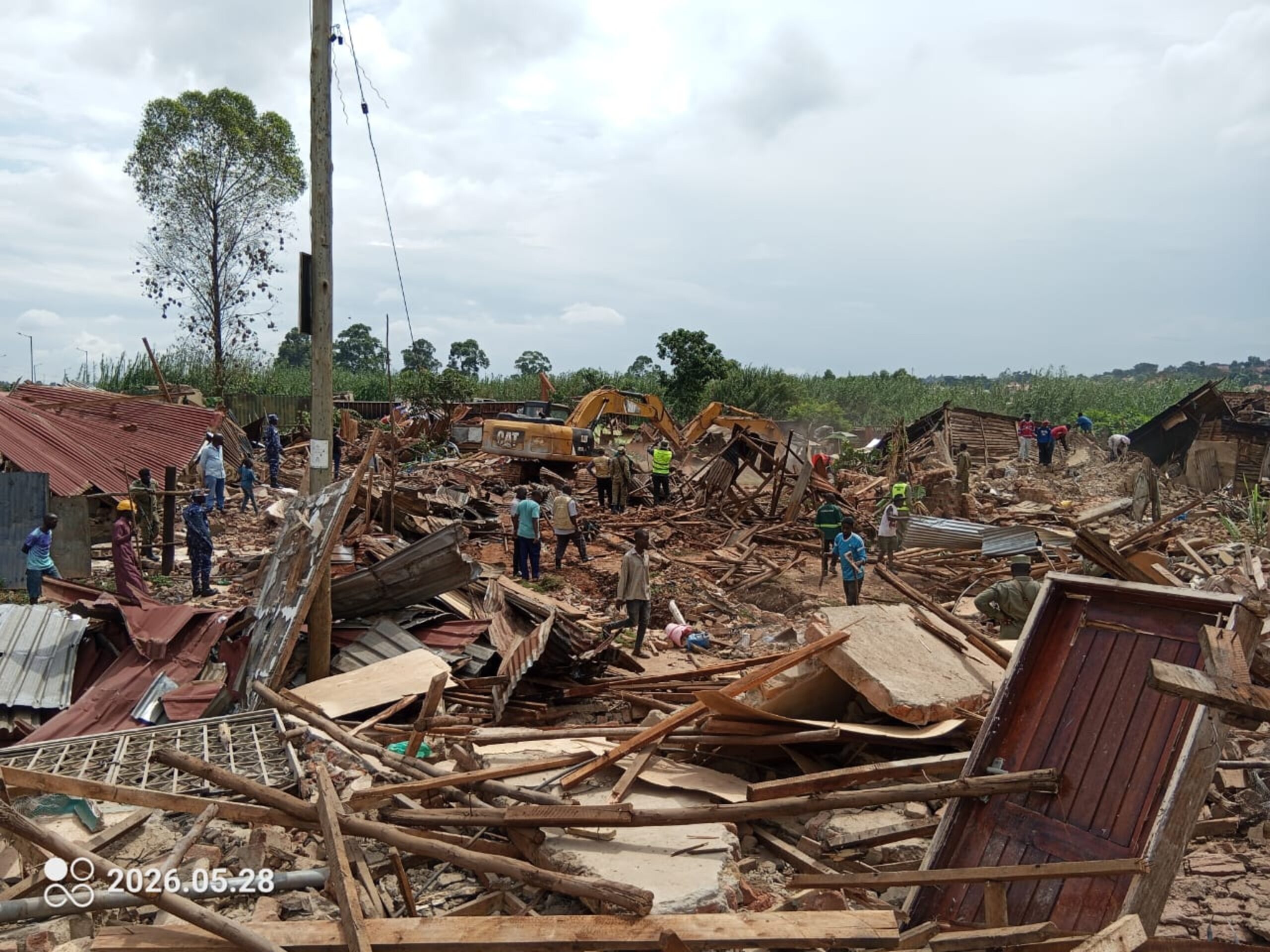
The National Environment Management Authority (NEMA), alongside the Wetlands Management Department under the Ministry of Water and Environment and respective local governments, with support from the Uganda Police Force and the Uganda People’s Defence Forces (UPDF), has resumed the restoration of wetland ecosystems following the expiry of the grace period issued last year.
The restoration exercise, which had been temporarily suspended to allow encroachers to voluntarily and peacefully vacate wetlands, commenced in Kawaala II Ward, Kasubi Ward, Rubaga North Division, and will continue to other remaining affected areas.
In accordance with the National Environment Act, Cap 181, NEMA issued Environmental Restoration Orders after establishing continued encroachment on wetland areas.
NEMA noted that it is a criminal offence to settle or develop infrastructure in wetlands without a permit issued in accordance with the law.

According to Naomi Karekaho, Head of Corporate Communications at NEMA, affected persons have repeatedly been reminded to vacate the wetlands through physical notices, radio and television announcements, but many have failed to comply.
Lubigi Wetland is one of Uganda’s major wetland systems, draining northern parts of Kampala City, including Rubaga and Kawempe divisions, as well as southern Wakiso District, particularly Nabweru Division in Nansana Municipality, before flowing into the Mayanja–Kato River system within the Kyoga Basin.
“The Lubigi wetland system is important for flood control, water filtration, pollution control, groundwater and surface water recharge, micro-climate amelioration, rainfall formation, and as a habitat for critical biodiversity, including the endangered Grey Crowned Crane, Uganda’s national bird, and other migratory species. It also contributes to air pollution control, serves as a direct source of water for surrounding communities, and provides livelihood support resources such as medicinal plants, craft materials and animal fodder,” said Naomi.

The wetland is dominated by Cyperus papyrus and also contains patches of Typha species, Phoenix palms and Miscanthus plant species.
Lubigi receives water from several wetland systems, including Nsoba, Bwaise, Nabisasiro, Nalukolongo and Kiwunya. Covering approximately 1,721 hectares, the wetland remains permanently waterlogged.
In addition to its ecological importance, Lubigi supports surrounding communities by providing water and livelihood resources and offers opportunities for education and research, tourism and recreation, as well as cultural heritage preservation.
NEMA says the restoration exercise aims to safeguard these ecological and socio-economic benefits for current and future generations.