


Environment
Africa Faces Defining Climate Moment as ‘Super El Niño’ Threat Looms

As droughts, floods and extreme weather events intensify across Africa, and geopolitical shifts continue to reshape the global energy and development landscape, the African Climate Foundation (ACF) says the continent is entering a defining period that will determine not only its climate future but also its broader development trajectory.
The ACF believes Africa faces an increasingly urgent question: will the continent’s climate transition be shaped from within or imposed from without?
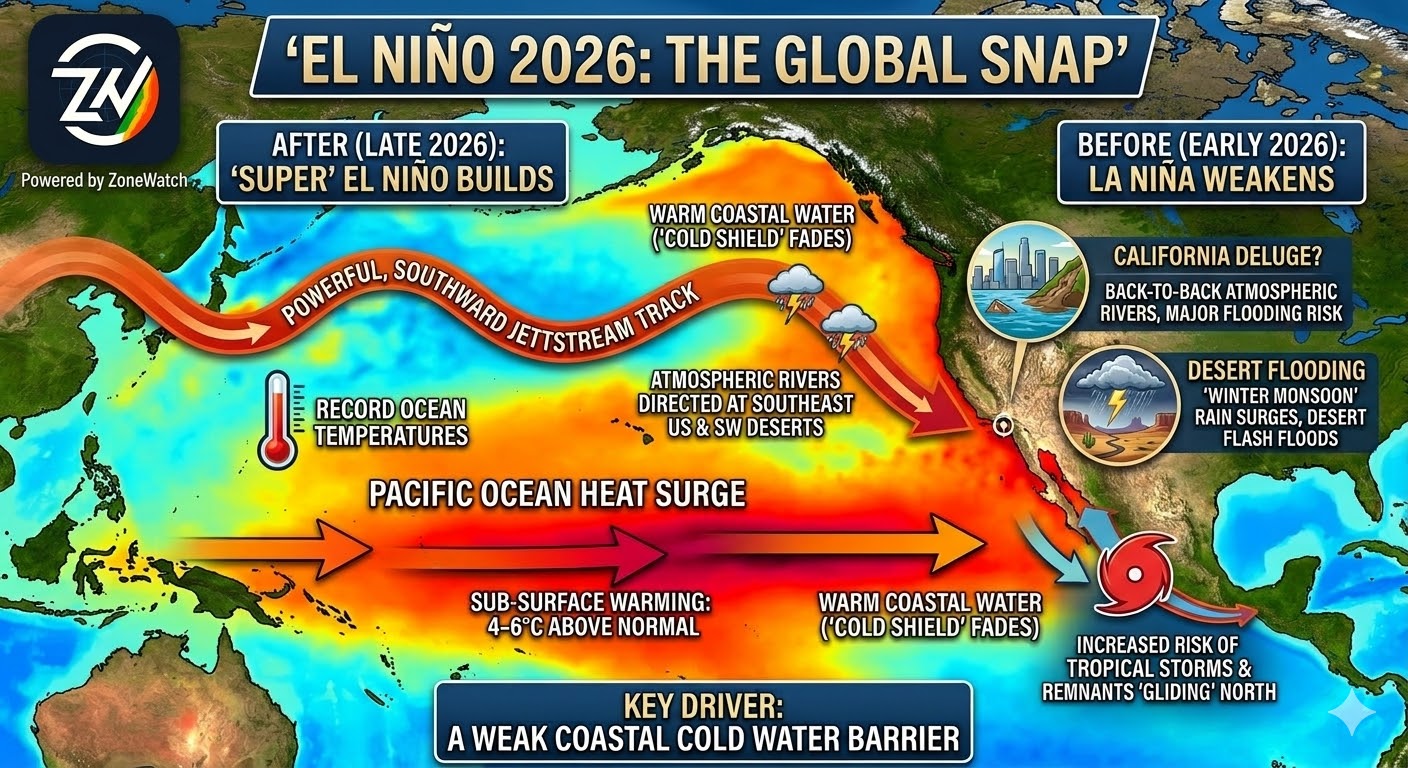
The foundation has released its 2026–2030 strategy at a time when scientists are warning of a possible “super El Niño” that could trigger severe droughts, heatwaves and food crises. Scientists warn of a rapidly developing “Super El Niño” in the Pacific, expected to peak between late 2026 and early 2027. The strategy reflects what the ACF describes as a pivotal moment for Africa’s climate future and outlines how the organisation is evolving to ensure transition pathways are shaped by the continent’s own priorities and realities.
“The decisions being made today around energy, finance, industrialisation, trade and resilience will impact development outcomes for decades. Our role is to ensure that those driving this transition from within Africa have the institutions, capabilities and investment platforms they need,” said Saliem Fakir, Executive Director and founder of the African Climate Foundation.
Building an Ecosystem for Transformative Investment
According to the ACF, the new strategy builds on lessons learned over six years of work across the continent and recognises that climate action and development are inextricably linked.
The foundation says the challenge for African countries is no longer simply securing commitments, but rather building the systems, institutions and partnerships needed to translate ambition into meaningful progress.
“Commitments have multiplied, but implementation has lagged. Each year of delay raises the costs, and the consequences of inaction will be borne most heavily by those least responsible for the crisis. This is particularly concerning when considering the possibility of a ‘super El Niño’ later this year and the major impact it will have on the continent,” Fakir said.
Despite contributing only a small share of global emissions, Africa continues to face disproportionate climate impacts while receiving only about three percent of global climate finance.
The ACF argues that climate action for African countries is increasingly tied to resilience against economic and climate shocks, food and energy security, and long-term competitiveness. It says the challenge is not merely mobilising more finance but ensuring that investment strengthens resilience, builds local capability and supports transformation.
Adapting to Africa’s Evolving Climate Priorities
Professor Carlos Lopes, Chairman of the African Climate Foundation, said Africa’s role in global climate conversations has evolved significantly.
“Africa brings important perspectives, priorities and capabilities to global climate discussions. It’s no longer about importing what others are saying on climate, but about how African voices help shape the agenda and define a transition that reflects the continent’s own realities and ambitions,” Lopes said.
The ACF’s new strategy reflects this shift, placing greater emphasis on country-led implementation platforms, climate-resilient economic development, green industrialisation, adaptation and institutional capacity building to help African countries navigate increasingly complex climate and economic pressures.
Systems That Enable Lasting Progress
The ACF says climate and development challenges cannot be addressed through isolated projects or short-term interventions alone but require stronger collaboration among governments, institutions, communities, funders and regional partners.
“Our work is focused on strengthening the conditions that make long-term progress possible. Our commitment is to support and reinforce the momentum that African actors are already generating, not to lead or substitute for it,” Fakir said.
Through grant-making, fiscal hosting and incubation, the ACF supports institutions and ecosystems designed to strengthen local capacity, deepen regional engagement and create conditions for sustained progress across the continent.
The organisation describes its role as catalytic, helping align philanthropy, governments, civil society and investment partners around shared climate and development priorities. It argues that Africa’s transition must also be equitable and inclusive, recognising that climate outcomes are closely linked to health, gender, youth, justice and economic opportunity.
“The opportunity ahead is not only to respond to climate pressures but also to build stronger economies and create systems that support long-term resilience and growth. Realising that opportunity will depend on whether African countries, institutions and communities have the capabilities and support needed to lead and shape their own future,” Fakir said.